
Moving to a new home can be stressful for pets as much as it is for their owners. They face unfamiliar sights, sounds, and smells, which can lead to anxiety or confusion. Helping a pet adjust involves creating a calm and consistent environment that supports their sense of safety and routine.
Providing a dedicated space with familiar items like toys, bedding, and food helps pets feel more secure. Gradual introductions to the new environment allow them to explore without feeling overwhelmed. Being patient and attentive to their behavior is essential to ease the transition.
Preparing Your Pet for the Move
Helping a pet adjust begins before the move itself. Key actions involve creating secure areas, easing the change over time, and keeping familiar objects nearby. This preparation reduces stress and helps the pet feel safe.
Setting Up a Safe Space in Advance
Creating a dedicated, quiet space for the pet before moving day helps with adjustment. This space should include essentials like food, water, bedding, and favorite toys. If the pet uses a crate, it should be set up here to encourage comfort and familiarity.
The safe space acts as a retreat during the move and after arrival. It minimizes overwhelming stimuli and gives the pet control over their environment. Position the space away from heavy foot traffic or loud appliances.
Making the Transition Gradual
Introducing the idea of moving well ahead of time reduces anxiety. For example, pack some belongings slowly while keeping the pet’s routine as normal as possible. Short, positive outings near the new home can also help.
If crate training is part of the pet’s routine, maintain it to provide consistency. Gradual exposure to packing noises and changes in routine helps the pet adapt without shock.
Choosing Familiar Items and Scents
Bringing familiar items to the new location is essential for comfort. Blankets, toys, and bedding retain the pet’s scent and signal a safe environment. This familiarity helps reduce fear.
Using items with the old home’s scent alongside new items can ease the transition by providing continuity. Avoid introducing too many new things at once, as this can create confusion or stress.
Creating a Comfortable Environment
Setting up a pet’s new space thoughtfully helps reduce stress and encourages quicker adjustment. It involves creating a secure resting area, ensuring necessary supplies are handy, and using products that promote calmness.
Designating a Cozy Zone
A dedicated quiet corner gives a pet a place to retreat when overwhelmed. This zone should be away from heavy foot traffic and loud noises, ideally in a calm area of the home.
Using crate training can help here by providing a safe, enclosed space that pets associate with comfort and security. Place soft bedding inside the crate and familiar toys to encourage positive associations.
Consistency is key. Keeping the zone unchanged during the first few weeks helps the pet learn it’s their personal space, reducing anxiety and supporting better rest.
Providing Essential Supplies
Essential items include food and water bowls, bedding, toys, and grooming tools. Bowls should be placed in a quiet spot, away from the litter box or pet’s resting area.
Bedding should suit the pet’s size and breed—for example, thicker padding for older dogs or crates with removable, washable covers to maintain cleanliness. Toys that promote mental stimulation will help ease boredom and stress.
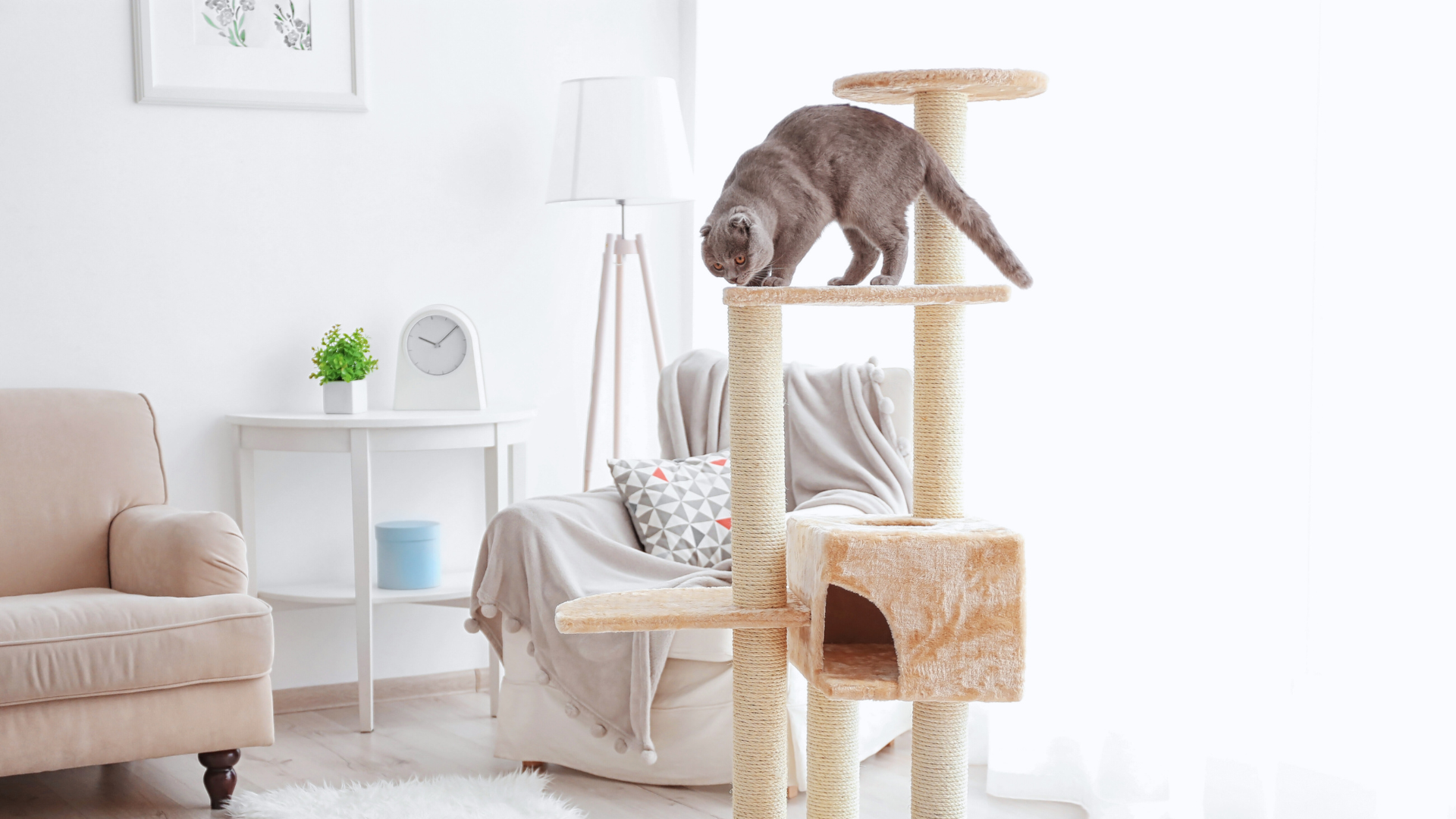
For cats, a scratching post near the cozy zone encourages natural behavior and comfort. Regularly checking and refreshing supplies keeps the area inviting.
Using Calming Products
Calming aids can help pets settle faster in an unfamiliar environment. Options include pheromone diffusers, sprays, or collars that mimic natural comfort signals.
Herbal supplements like chamomile or valerian root may also reduce anxiety, but should be introduced cautiously and under vet guidance.
White noise machines or soft music specifically designed for pets can mask disruptive sounds. The goal is to create a soothing background that helps the pet relax without overstimulation.
Establishing Routine and Positive Associations
Creating stability and comfort for a new pet involves consistent daily habits and activities that promote a sense of security. Attention to predictable timing, engaging play, and rewarding good behavior helps pets connect their new environment with positive experiences.
Maintaining a Consistent Schedule
A predictable schedule reduces stress and helps a new pet understand expectations. Feeding, bathroom breaks, exercise, and bedtime should occur at the same times daily.
For crate training, setting fixed periods for crate use supports confidence and routine. Frequent short sessions at regular intervals encourage the pet to view the crate as a safe space without feeling isolated or anxious.
Consistency in walking times, meal delivery, and play sessions reassures pets and speeds adjustment to the new home.
Incorporating Interactive Toys
Interactive toys keep pets mentally and physically engaged. For dogs, puzzle feeders can slow eating and promote problem-solving skills, which reduces boredom and destructive behavior.
Toys that release treats or can be chewed safely provide distractions during adjustment periods. For crate training, placing familiar interactive toys inside helps the pet associate the crate with enjoyable activities.
Choosing toys appropriate to the pet’s size and energy level prevents frustration and supports positive engagement.
Implementing Positive Reinforcement
Positive reinforcement encourages desired behaviors by rewarding the pet immediately. Treats, praise, or gentle petting should follow calm behavior, crate acceptance, or following basic commands.
During crate training, rewarding the pet for entering or staying quiet inside the crate builds acceptance and confidence. Avoid punishment; it can increase fear and slow progress.
Consistent rewards for routine habits help the pet link good behavior with positive outcomes, making the new home more inviting.
Spending Quality Time Together
Regular, focused interaction strengthens the bond between the pet and owner. Short training sessions, shared play, or calm petting help the animal feel secure and valued.
Time spent inside or near the crate without forcing entry lowers stress. Walking and exploring the new environment together builds trust and provides exercise.
Quality time reduces anxiety and encourages the pet to view the new home as a safe, familiar place.
Supporting Emotional Adjustment
Helping a pet settle involves managing their environment, emotional responses, and social interactions carefully. Controlling exposure to new spaces, noting signs of anxiety, and pacing introductions to other animals reduce stress. Professional advice becomes necessary when signs of distress persist or worsen.
Gradual Exploration of New Spaces
Pets benefit from limited access to new areas at first. Start by confining the pet to one familiar room, often where their food, water, and bedding lie.
Expand their territory slowly, allowing them to explore additional rooms in short, supervised sessions. This approach prevents overwhelming the pet and helps build confidence.
Remove hazards and secure loose items ahead of exploration to ensure safety. A calm environment with minimal loud noises supports the pet’s comfort during these steps.
Monitoring Stress Signals
Identifying stress is key to addressing a pet’s emotional needs. Common stress signals include excessive panting, pacing, hiding, or vocalizing.
Physical signs like trembling, drooling, or loss of appetite can also indicate distress. Owners should watch changes in behavior and intervene promptly.
Recording these behaviors helps track progress and informs when additional support or changes are needed.
Introducing Other Pets Carefully
Introducing a new pet to existing pets requires careful management. Begin with scent swapping between animals by exchanging bedding before face-to-face contact.
Initial meetings should be brief and supervised in neutral spaces. Avoid forcing interaction; instead, allow pets to approach each other voluntarily.
Gradually increase interaction time, looking for signs of aggression or fear. Separate pets and try again later if tension arises.
When to Consult a Veterinarian
Veterinary advice is essential when behavioral changes affect a pet’s health or safety. Persistent anxiety, aggression, or withdrawal may require medical evaluation.
Vets can recommend behavior modification strategies or prescribe medications if necessary. Early consultation prevents worsening conditions and supports well-being.
Direct professional guidance optimizes the adjustment process and addresses underlying issues beyond basic care.