
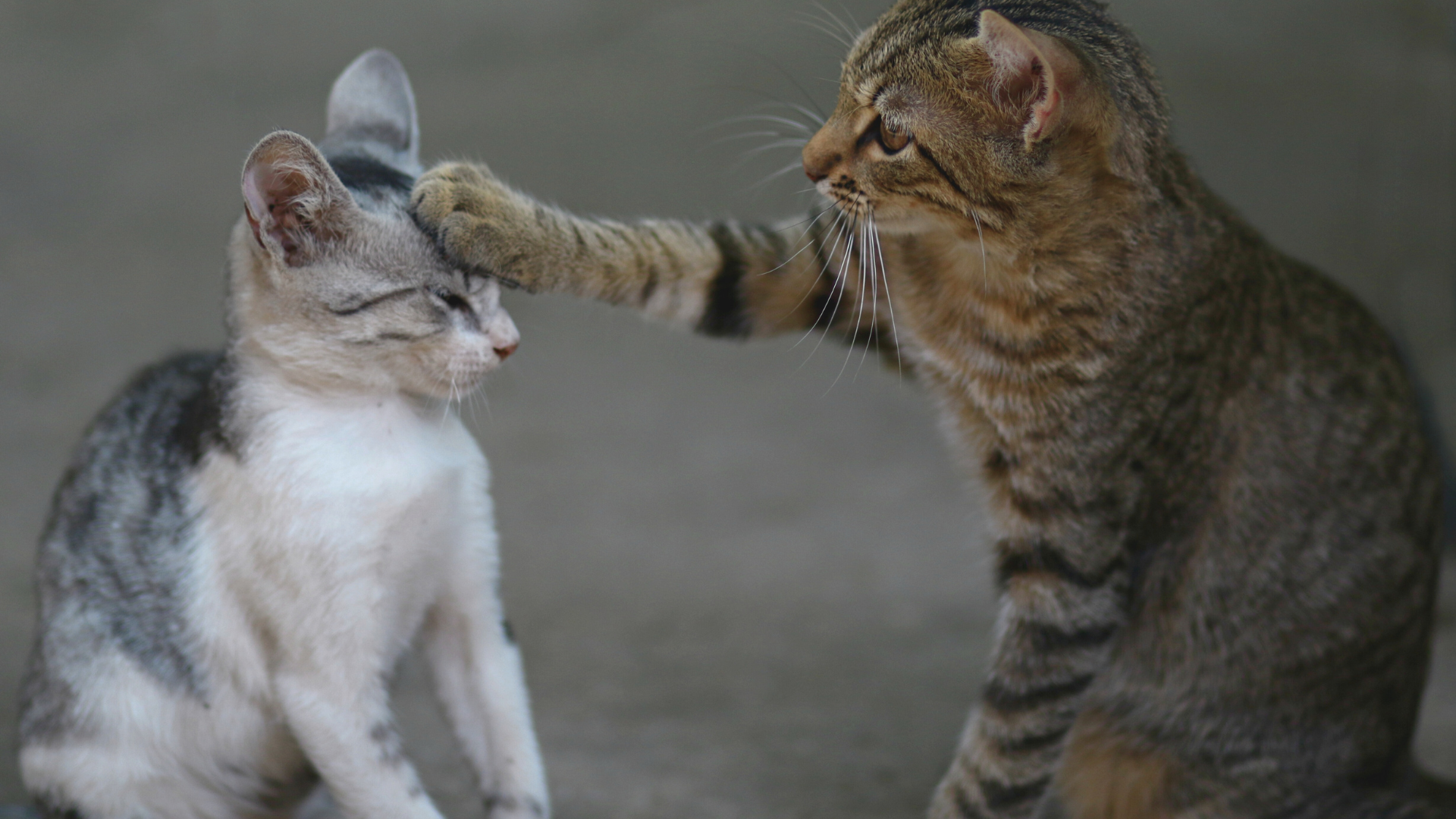
The debate between indoor and outdoor cats is a common topic among pet owners. Each option comes with its advantages and challenges, making the decision a significant one for any cat lover. Ultimately, indoor cats tend to have a safer, longer life span, while outdoor cats enjoy more natural instincts and exploration.
Indoor cats benefit from a controlled environment that reduces risks such as traffic, predators, and disease. They are less likely to encounter dangers that can lead to serious injury or health issues. Moreover, they often form stronger bonds with their owners, as they rely on human interaction for stimulation and play.
On the other hand, outdoor cats experience a lifestyle filled with adventure. They can hunt, climb trees, and interact with the environment, fulfilling their natural behaviors. This freedom can be fulfilling, but it comes at the cost of safety and potential health risks that owners must weigh carefully.
Comparing Lifestyles: Indoor Vs Outdoor Cats
The lifestyles of indoor and outdoor cats present distinct benefits and challenges. Each environment influences various factors such as health, lifespan, and behavior, which are essential for potential cat owners to consider.
Physical and Mental Health
Indoor cats often experience a more controlled environment, which can lead to fewer health risks. They are less exposed to diseases, parasites, and injuries from fights with other animals. However, indoor cats may suffer from obesity and related health issues if they lack sufficient physical exercise and mental stimulation.
Outdoor cats generally have more opportunities for physical activity. They can engage in natural behaviors like hunting and climbing, which promote fitness. Nevertheless, exposure to the outdoors can lead to injuries, predators, and potential health hazards. Balancing exercise while mitigating risks is crucial in both lifestyles.
Average Lifespan
The lifespan of indoor cats tends to be longer than that of outdoor cats. Indoor cats can live on average between 12 to 15 years, with many reaching their twenties when cared for properly. They benefit from regular veterinary care, a stable diet, and reduced stress factors.
In contrast, outdoor cats face numerous dangers, which can shorten their lifespan to 5 to 7 years. Danger from traffic, predators, and environmental hazards contributes to their reduced longevity. Monitoring the risks associated with outdoor living can help inform decisions regarding a cat’s well-being.
Behavioral Considerations
Indoor cats may experience boredom and lower mental stimulation, especially if they lack engaging toys or space to explore. This can lead to behavioral issues such as scratching or excessive meowing. Providing interactive toys and activities can combat inactivity and help maintain good mental health.
Outdoor cats, through their natural instincts, often display a wider range of behaviors, such as climbing, hunting, and socializing with other animals. These activities can fulfill their psychological needs. However, they may also develop territorial behaviors and aggression toward other animals, requiring careful socialization and supervision.
Health Risks and Safety
Cats face various health risks and safety concerns depending on their environment. Understanding these dangers is crucial for any cat owner to ensure their pet’s well-being.
Diseases and Vaccinations
Outdoor cats are exposed to numerous diseases that indoor cats rarely encounter. Feline leukemia, rabies, and feline immunodeficiency virus (FIV) are significant threats. These diseases can lead to severe health complications or even death. Vaccinations play a vital role in prevention.
Essential vaccinations for outdoor cats include:
- Feline leukemia
- FIV
- Rabies
Regular veterinary care is necessary. Testing for diseases and keeping vaccinations up to date can help maintain a cat’s health. Identifying symptoms of illness early can improve treatment outcomes.
Predators and Traffic
Outdoor cats face dangers from predators and traffic. Wildlife, such as coyotes or birds of prey, can harm or kill cats. Urban environments present additional hazards, including busy roads.
Traffic accidents can lead to serious injuries or fatalities. Keeping cats indoors or supervised outdoor time can reduce these risks. Providing a secure outdoor enclosure or leash training is recommended for safety.
Fights and Injuries
Outdoor cats are more likely to encounter other cats, increasing the risk of fights. These encounters can lead to serious injuries, including bite wounds and abscesses. Feline fights often result in the transmission of diseases like FIV and feline leukemia.
Regularly monitoring outdoor cats and providing necessary veterinary care can alleviate concerns. Neutering or spaying can reduce aggressive behaviors. Keeping outdoor cats isolated during peak activity times for local feral cats can also minimize the risk of fights.
Environmental Enrichment for Indoor Cats
Providing environmental enrichment for indoor cats is essential to promote their mental stimulation and physical activity. This can help prevent boredom and reduce unwanted behaviors. Various strategies can enhance their living space, making it more engaging and satisfying.
Interactive Toys and Puzzles
Interactive toys and puzzles are effective in stimulating a cat’s curiosity and intelligence. Toys that require problem-solving can keep a cat occupied for extended periods. Examples include:
- Puzzle feeders: These dispense treats as the cat interacts with them, encouraging play and mental engagement.
- Battery-operated toys: These mimic prey movement, stimulating a cat’s hunting instincts.
A variety of textures and sounds can also enhance interest and playtime. Rotating toys regularly can keep the excitement alive, reducing the risk of boredom.
Cat Trees and Climbing Options
Cat trees and climbing structures play a significant role in satisfying a cat’s natural inclination to climb and explore. These structures provide:
- Vertical space: Cats often feel safer when they can observe their environment from above.
- Resting spots: Multi-tiered cat trees offer comfortable perches for napping.
Incorporating shelves and wall-mounted climbing options can maximize space in smaller homes. Regular use of these tools promotes exercise and helps maintain a healthy weight.
Outdoor Alternatives: Catios and Leash Training
For owners seeking to balance indoor living with outdoor experiences, catios (cat patios) and leash training present viable options.
- Catios: These confined outdoor spaces allow cats to enjoy fresh air and sun while staying safe from predators and traffic.
- Leash training: With patience, many cats can be trained to walk on a leash, providing supervised outdoor time without losing safety.
Both methods can enrich an indoor cat’s life, offering them sensory exploration while ensuring their well-being.
Impact on Wildlife and Environment
Cats, especially those allowed outdoors, have a significant impact on wildlife and the environment. The following sections explore the issues of wildlife predation caused by outdoor cats and ways to minimize their ecological footprint.
Preventing Wildlife Predation
Outdoor cats are instinctual hunters. Studies estimate that they kill billions of birds and small mammals annually, leading to severe declines in local wildlife populations.
To mitigate this impact, cat owners can consider the use of outdoor cat enclosures. These structures allow cats to experience the outdoors safely without posing a threat to wildlife.
Additionally, using collars equipped with bells can alert prey and help reduce successful hunts. Informing the community about the consequences of free-ranging cats can also promote responsible pet ownership practices.
Minimizing Ecological Footprint
The environmental impact of outdoor cats extends beyond wildlife predation. Feral and free-roaming cats contribute to issues like pollution and disease transmission. As they scavenge, they may contribute to waste accumulation in local ecosystems.
Providing enrichment for indoor cats reduces the desire to venture outside. Interactive toys, scratching posts, and pet-safe plants can mimic natural behaviors.
Moreover, responsible feeding practices, such as using biodegradable materials for pet waste, can lessen ecological footprints. Encouraging local initiatives for spaying and neutering also addresses overpopulation, contributing to a healthier environment.