
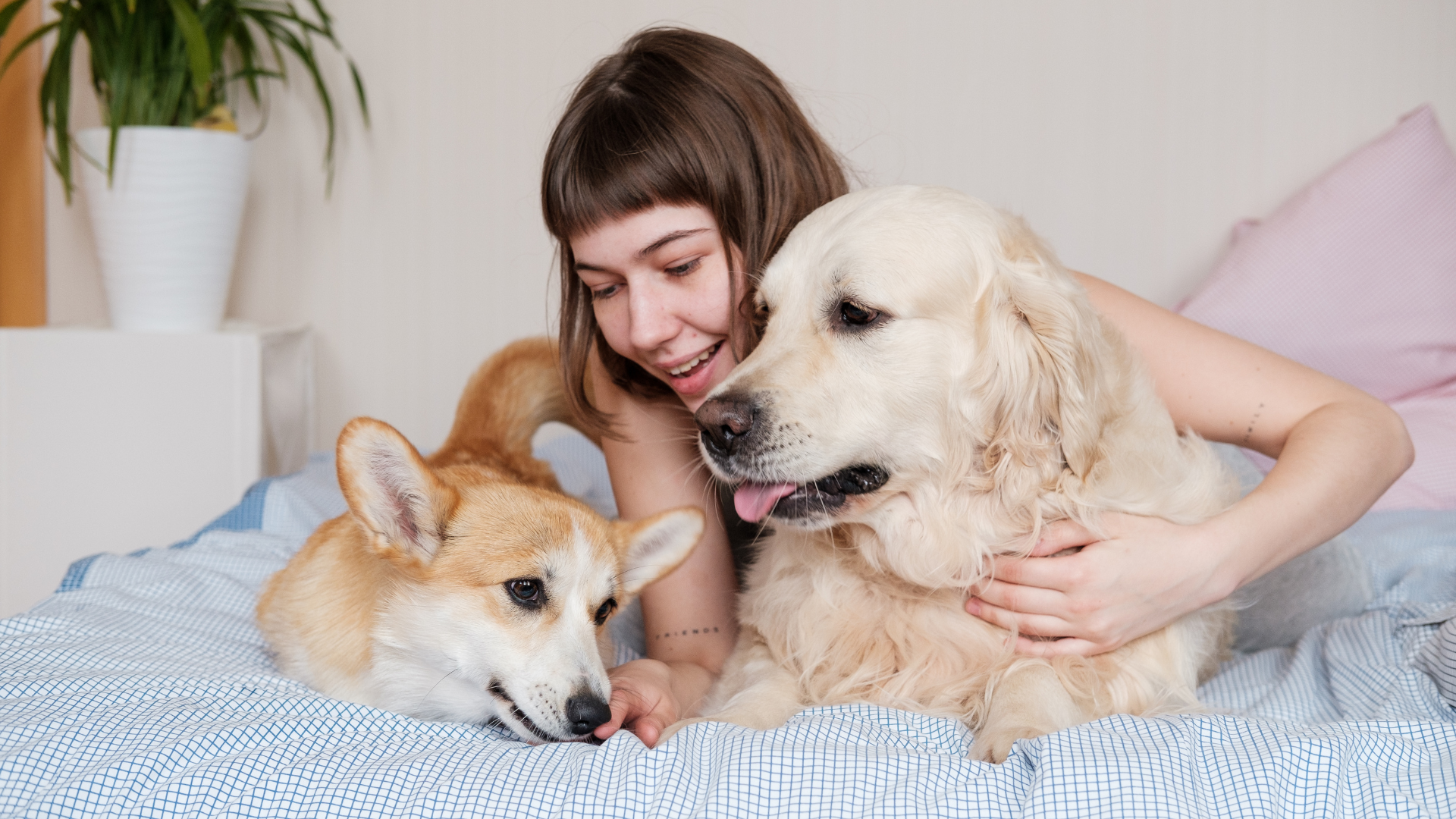
Pets provide consistent companionship, which helps lower stress by reducing feelings of loneliness and anxiety. Their presence encourages physical activity and social interaction, both linked to improved emotional well-being.
Interacting with pets releases hormones like oxytocin, which directly supports stress reduction and emotional balance. This biological response creates a calming effect, making pets valuable allies in managing mental health.
Beyond hormones, caring for an animal promotes routine and purpose, offering a sense of stability that can improve mood and resilience. Their nonjudgmental nature allows people to feel accepted and understood without pressure.
The Science Behind Pets and Stress Reduction
Pets influence the body’s chemical and physiological responses that relate to stress and emotional well-being. Their presence can alter hormone levels and nervous system activity in measurable ways. These effects explain why interacting with animals is often linked to lower anxiety and improved mood.
How Pets Lower Cortisol and Blood Pressure
Research shows that spending time with pets can reduce cortisol, a hormone associated with stress. Lower cortisol levels decrease the physiological tension often caused by anxiety.
Physical touch, like petting a dog or cat, is especially effective at reducing heart rate and blood pressure. This calming effect helps to regulate the autonomic nervous system, shifting it from a fight-or-flight state to a more restful condition.
Compared to those without pets, pet owners tend to have more stable cardiovascular indicators during stressful situations, which supports the long-term benefits of animal companionship on heart health and stress reduction.
Impact of Oxytocin, Dopamine, and Serotonin
Interactions with pets increase the release of oxytocin, often called the “bonding hormone.” Oxytocin promotes feelings of trust and emotional connection, which enhances well-being.
Dopamine and serotonin, neurotransmitters linked to pleasure and mood stability, also rise during positive pet interactions. These chemicals help reduce symptoms of depression and anxiety by improving overall emotional balance.
Together, these neurochemicals create a biochemical environment that supports relaxation, social bonding, and mental health benefits from spending time with animals.
Research on Therapy and Service Animals
Studies on therapy dogs show consistent reductions in patient anxiety and depression across various settings, like hospitals and nursing homes. Therapy animals provide targeted emotional support, encouraging social interaction and reducing feelings of isolation.
Service dogs trained for mental health tasks help owners manage conditions such as PTSD and severe anxiety. They perform specific interventions like grounding their handler during panic attacks, which can lower stress responses in real time.
Both therapy and service animals leverage the physiological and psychological effects pets have on stress to provide measurable mental health improvements.
Emotional and Psychological Benefits of Pet Companionship
Pet companionship significantly influences mental health by reducing feelings of isolation and providing consistent emotional support. It also contributes to better mood regulation and enhances an individual’s capacity to cope with stress and setbacks.
Alleviating Loneliness and Providing Unconditional Love
Pets offer constant companionship, which helps diminish loneliness, especially for those living alone or experiencing social isolation. Their presence provides a sense of connection, making individuals feel less disconnected from the world.
Unconditional love from pets is unique; they respond with affection and loyalty regardless of the owner’s mood or circumstances. This nonjudgmental bond creates a safe emotional space, reducing distress linked to loneliness and encouraging social interaction.
Emotional Support and Improved Mood
Pets serve as effective sources of emotional support, particularly in times of stress or depression. Regular interaction with pets can increase levels of oxytocin and reduce cortisol, hormones related to bonding and stress, respectively.
This biochemical response supports mood improvement and promotes feelings of calm. Pet owners often report feeling more grounded and less anxious after spending time with their animals due to this physiological effect on the brain.
Boosting Emotional Resilience and Self-Esteem
Caring for a pet requires routine and responsibility, which can enhance emotional resilience by fostering a sense of purpose. Overcoming daily challenges associated with pet care strengthens coping skills during difficult periods.
Additionally, positive feedback from pets, such as their affection and attention, often boosts owners’ self-esteem. This reinforcement helps combat depressive symptoms and promotes a more positive self-image and well-being.
Physical Activity, Routine, and Social Connection
Pets encourage regular physical activity, establish daily routines, and enhance social connections, which together support emotional well-being. These elements contribute to a structured lifestyle and improve mood for many pet owners.
Encouraging Exercise and Outdoor Activities
Pets, particularly dogs, require daily exercise such as walks and playtime. This physical activity helps pet owners increase their own movement, which can reduce stress hormones and improve cardiovascular health. In the U.S., millions of households with dogs benefit from consistent outdoor time.
Exercise with pets often leads to higher energy levels and a sense of accomplishment, which supports mental health. Even short walks improve circulation and release endorphins, key to managing anxiety and depression.
Creating Routine and Responsibility
Pet ownership demands a structured daily routine, including feeding, grooming, and exercise. This consistent schedule can anchor a person’s day, providing purpose and reducing feelings of aimlessness or chaos.
Taking responsibility for a pet’s needs fosters a sense of control and self-worth. It encourages time management skills and helps maintain a balanced lifestyle, which can lead to improved mood and reduced stress levels.
Building Social Skills and Community
Pets often serve as social facilitators, making it easier for owners to engage with others. Dog walking in neighborhoods or parks promotes interaction with other pet owners, increasing social skills and community ties.
Pet-related activities, like training classes or pet clubs, create opportunities for social connection. These interactions help reduce feelings of loneliness and build supportive networks, which are vital for emotional well-being.
Special Roles of Pets in Therapeutic and Support Contexts
Pets provide consistent emotional support and contribute to physical health improvements. Their presence can create a sense of security and reduce anxiety in various populations, particularly where traditional therapies may need enhancement.
Supporting Individuals With PTSD and Autism
Therapy dogs are commonly used to help people with PTSD by providing calm and grounding during episodes of anxiety or flashbacks. The steady companionship of a dog can reduce stress hormone levels and promote a feeling of safety.
For individuals with autism, pets—especially dogs and cats—offer nonverbal communication cues that enhance social interaction skills. The predictable behavior of these animals helps reduce sensory overload and encourages routine, which is important in autism therapy.
Benefits for Children With ADHD
Children with ADHD benefit from pets because they promote responsibility and improve focus. Dogs and guinea pigs, for example, require regular care, which can help structure a child’s day and reduce impulsivity.
Interacting with pets has been shown to lower hyperactivity and increase attention spans. This calming, repetitive engagement supports emotional regulation and can complement behavioral therapies for ADHD.
Therapeutic Advantages of Different Pets
Dogs offer physical activity benefits, improving heart health and releasing endorphins. Their intuitive reactions to human emotions make them effective therapy animals in clinical and home settings.
Cats provide comfort through quiet companionship and purring, which has been linked to lower blood pressure and reduced stress levels. Guinea pigs, often used with children, are known for their gentle nature, encouraging empathy and calming agitation.
| Pet Type | Therapeutic Benefits | Common Uses |
| Dogs | Stress reduction, heart health, and emotional support | PTSD therapy, ADHD, autism |
| Cats | Lower blood pressure, stress relief | Autism, general emotional support |
| Guinea pigs | Calmness, empathy development | ADHD, children’s therapy |