
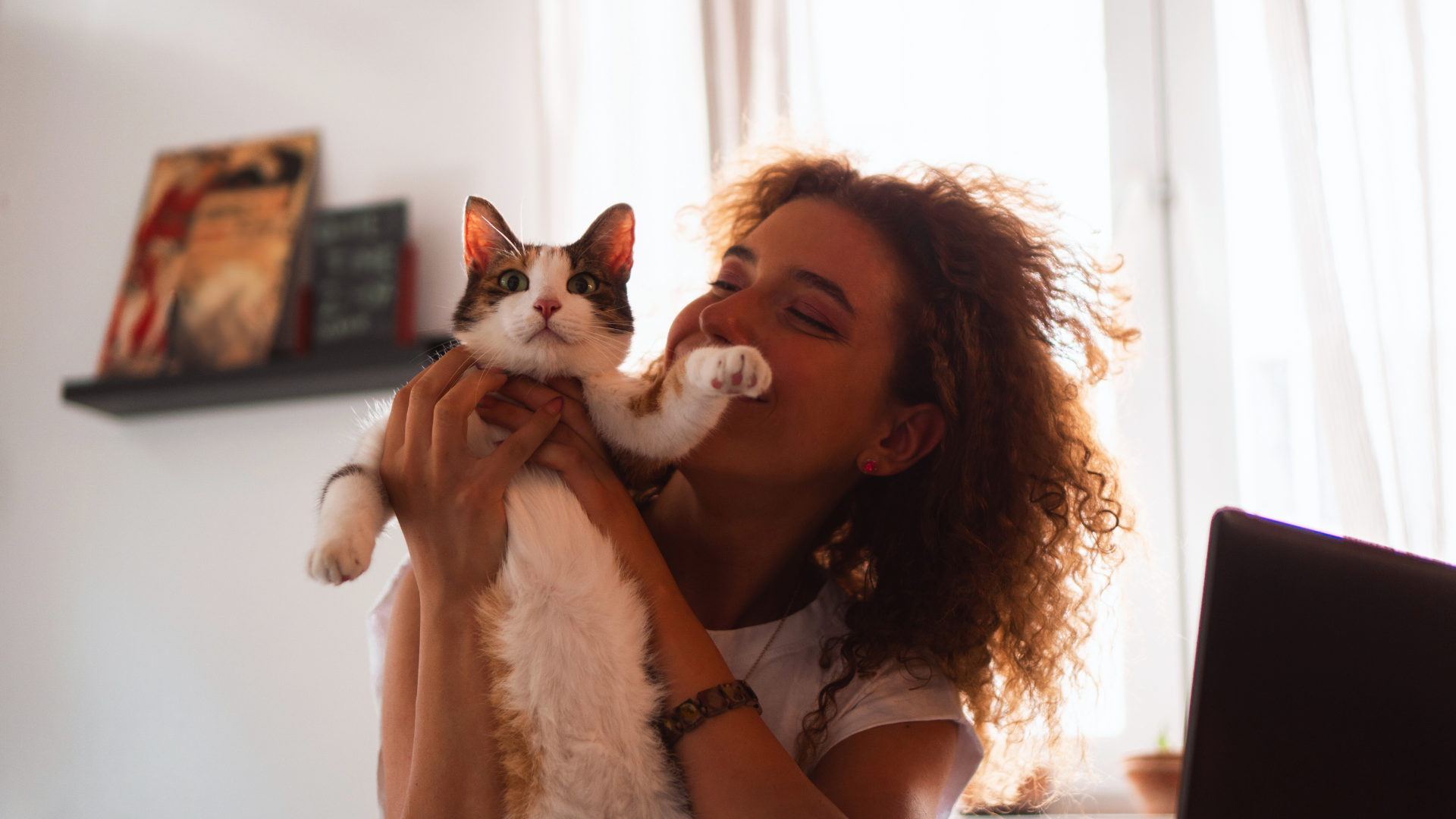
Connecting with other animal lovers in a community starts by engaging with local groups and events focused on pets and wildlife. Visiting pet-friendly parks, attending animal-related workshops, or joining volunteering efforts at shelters are effective ways to meet like-minded people.
Using social media platforms and community boards to find or create local animal interest groups is a direct way to build connections. These spaces often bring together people who share a passion for animals, making it easier to exchange tips, support, and experiences.
Participating in animal adoption drives or pet care classes can also open doors to new friendships. Regular interaction in these settings helps build a network of people united by their love for animals.
Local Opportunities to Meet Animal Lovers
Community spaces and organized groups offer practical ways for pet owners to connect with others who share their interests. Engaging in these venues helps pet parents build networks, exchange care tips, and support local animal welfare.
Visiting Dog Parks and Pet-Friendly Spaces
Dog parks provide a natural environment for pet owners to meet regularly. These spaces encourage socialization among dogs and foster casual conversations between pet parents. Frequent visits increase chances of creating friendly, ongoing connections.
Pet-friendly spaces like outdoor plazas and hiking trails allow pet owners to bond over shared activities. They offer relaxed settings where pet owners can discuss training tips or local resources. Being consistent at these spots helps individuals recognize familiar faces among animal lovers.
Joining Local Pet Clubs and Groups
Joining clubs dedicated to specific animals or breeds connects pet owners with like-minded individuals. These groups often organize events, such as meetups, training sessions, and charity drives, providing structured opportunities to meet other pet parents.
Many communities have online forums or social media groups for local pet owners. These groups act as hubs for advice, pet care recommendations, and announcements about upcoming events. Participating actively can lead to in-person meetings and friendships.
Attending Animal-Related Community Events
Events like adoption fairs, pet expos, and vaccination clinics attract diverse pet owners. These gatherings allow animal lovers to engage in conversations around care, rescue, and pet health.
Volunteering at these events introduces pet owners to others who share similar values and responsibilities. It also creates a sense of community and collaboration among participants invested in animal welfare.
Exploring Pet-Friendly Cafes and Restaurants
Many cities now feature cafes and restaurants welcoming pets, providing casual meeting spots for pet owners. These venues encourage conversations while pets rest or socialize nearby.
Pet-friendly establishments often host special events like “Yappy Hours” or pet costume contests. Attending these helps animal lovers find social opportunities tailored to pet owners, building relationships in relaxed, informal environments.
Connecting Through Online Platforms
Animal lovers can build connections by using several online tools that bring pet owners and pet parents together. These platforms support sharing experiences, exchanging advice, and organizing events to strengthen community bonds.
Using Social Media Channels and Apps
Social media channels like Facebook, Instagram, and TikTok provide spaces where pet parents share photos, stories, and advice. Joining niche groups on Facebook, such as local pet owner communities, can help users find people nearby who share their interests.
Apps like BarkHappy or Nextdoor focus on pet-specific networking and events, allowing users to connect with nearby pet owners for walks, playdates, or support. Profiles often include pet details, making it easier to find compatible companions.
Tips:
- Join groups based on pet type or location.
- Follow local shelters or pet stores for updates.
- Use hashtags to discover community posts.
Joining Online Forums and Local Groups
Online forums like Reddit’s r/pets or specialized boards provide spaces for deeper discussions about pet care, training, and local resources. These forums attract dedicated pet parents seeking advice or community support.
Local online groups often have moderated discussion threads on pet adoption, lost and found cases, and event announcements. Members often share personal experiences and practical tips relevant to the community’s environment.
Key Points:
- Look for forums with active moderation.
- Participate regularly to build recognition.
- Seek out groups with a local focus for better relevance.
Organizing Virtual Meetups for Animal Enthusiasts
Virtual meetups allow pet owners to interact without geographic constraints. Platforms like Zoom or Google Meet are used to host themed sessions, such as training workshops, breed-specific discussions, or general pet care conversations.
These meetups can include guest speakers like veterinarians, helping participants gain expert insights. Virtual playdates for pets, coordinated by owners in different locations, are also popular.
Organization Tips:
- Schedule events consistently to build a routine.
- Use clear agendas to keep meetings focused.
- Encourage introductions and sharing to foster bonds.
Volunteering and Giving Back to the Animal Community
Engaging in hands-on activities benefits both animals and people within the community. It often involves committed time at shelters, sharing knowledge about pet care, or backing key welfare projects. These efforts build meaningful connections among pet owners and animal advocates.
Helping at Animal Shelters and Rescues
Volunteering at animal shelters provides direct support to pets in need. Volunteers assist with feeding, cleaning, and organizing supplies, helping create a cleaner and safer environment. Many shelters also need socialization support, where volunteers spend time comforting stressed or shy animals.
Experienced volunteers may help with adoption events, guiding prospective pet owners through the process. This interaction strengthens the relationship between shelters and local pet owners, promoting responsible pet ownership.
Participating in Pet Care Education Campaigns
Pet care education campaigns are essential for spreading accurate information to current and future pet owners. Volunteers or organizers may host workshops, distribute brochures, or manage online content that covers nutrition, grooming, and health.
These campaigns encourage responsible behaviors such as regular veterinary visits and proper training. They often collaborate with veterinarians and pet supply stores to reach a wide audience efficiently.
Supporting Animal Welfare Initiatives
Support for animal welfare initiatives can take many forms, from fundraising to legislative advocacy. Community members might join or donate to groups working to improve laws protecting animals or to enhance local shelters’ infrastructure.
Backing spay/neuter programs also reduces unwanted pet populations, benefiting pet owners and animal shelters alike. This support often involves organizing events, promoting awareness, or volunteering in administrative roles.
Building Long-Lasting Connections as Pet Parents
Connecting with other pet parents takes effort in creating spaces and routines that foster interaction. Regular activities and the exchange of pet care knowledge deepen bonds and support among animal lovers.
Starting Your Own Animal Lover Group
Creating a dedicated group encourages consistent contact with local pet parents. This can start with a social media page or a messaging app group focused on sharing dog walks, vet recommendations, and training advice.
Clear group guidelines help maintain respect and relevance. Setting expectations about topics, behavior, and frequency of posts keeps interactions positive. A well-moderated group also attracts members who are serious about pet care.
Promotion is key. Flyers at pet stores, vet offices, or community centers and invitations to known dog owners can jump-start participation. The group can evolve into a trusted source for pet-related support and socializing.
Planning Regular Pet Playdates
Organizing scheduled playdates creates predictable opportunities for pets and owners to interact. Selecting safe, dog-friendly parks or fenced areas ensures the pets can socialize freely.
Owners benefit from observing their dogs’ social behaviors and can exchange training tips on the spot. Consistently hosting these meetups helps build a community feeling that encourages attendance and participation.
Communicating clearly about the playdate time, location, and any rules is essential. Pet-specific instructions, like leash policies or vaccination requirements, keep the environment safe and comfortable for all involved.
Sharing Pet Care Tips and Experiences
Exchanging practical pet care information strengthens bonds between pet parents. This can range from nutrition advice to managing common health issues in dogs.
Regular discussion threads or newsletters can organize shared knowledge. Members contribute what worked or didn’t, creating a collective resource tailored to local needs and vetted contacts.
Encouraging openness about challenges respects the realities of pet ownership. It fosters trust and mutual support while improving the group’s overall understanding of responsible pet care.