
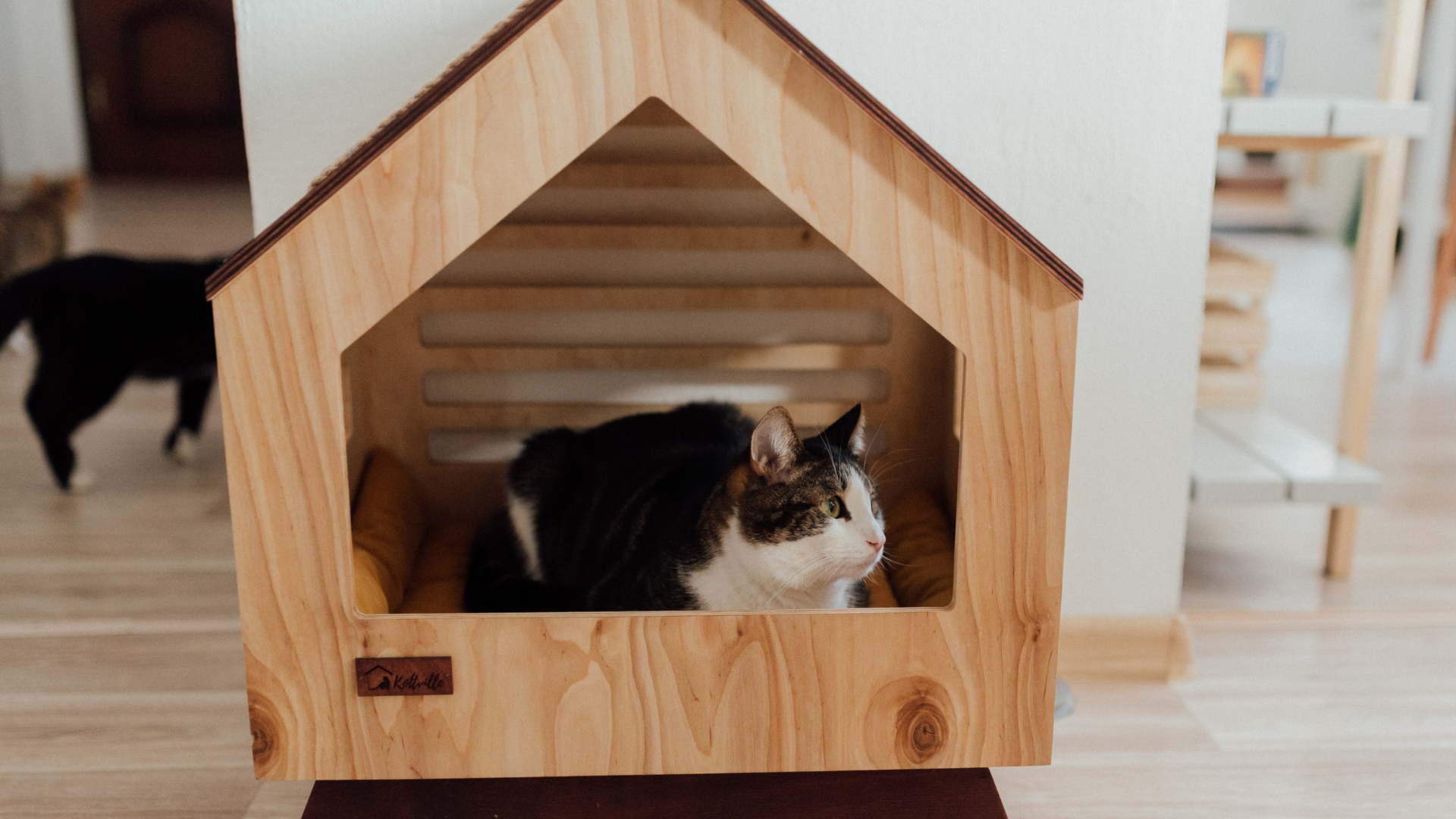
Creating a cozy space for both a person and their pet means balancing comfort, safety, and function. The key is to design an area that meets the needs of both, using soft textures, proper lighting, and designated spots for relaxation and play. This ensures shared comfort without sacrificing practicality.
Pets thrive in spaces that feel secure and familiar, so including their favorite bedding or toys can make a big difference. At the same time, the human side of the space should invite relaxation and easy maintenance. Thoughtful arrangement and suitable decor help achieve harmony between both users.
Designing a Cozy and Pet-Friendly Space
Creating a space that balances comfort for both owner and pet requires thoughtful choices in location, furnishings, and privacy. Attention to environmental factors and pet behavior helps tailor a home that feels safe and welcoming.
Selecting the Right Location for Comfort
Choosing the right spot in the home is essential for a cozy and pet-friendly space. It should have moderate temperature control, avoid drafty or overly hot areas, and receive indirect natural light.
The area should be quiet but not isolated, allowing pets to feel part of family activity while having downtime. Avoid placing the space near loud appliances or high-traffic zones that may cause stress.
Accessibility is key. The location should be easy for pets to reach, especially for those with mobility issues. Floors with non-slip surfaces nearby reduce injury risks.
Incorporating Pet Beds and Rest Areas
A high-quality pet bed suited to the pet’s size and sleeping style is fundamental. Orthopedic beds benefit older animals, while cozy, cushioned beds suit small breeds.
Materials should be durable, washable, and hypoallergenic. Position the bed on stable ground, away from direct drafts or sunlight to avoid overheating.
It helps to provide multiple resting areas if space allows. This can include elevated beds or soft floor mats to give pets options depending on their preference or mood.
Creating a Sense of Security and Privacy
Pets need areas where they can retreat and feel safe. Enclosed or semi-enclosed spaces like pet tents, crate covers, or under-furniture corners provide this security.
Use visual barriers or furniture placement to minimize disturbances. Familiar toys and blankets within the area also build a comforting environment.
Ensuring noise control through rugs or wall hangings reduces echo and sudden sound, enhancing the feeling of calm. The secure space encourages relaxation and reduces anxiety.
Essential Furnishings and Accessories
Creating a comfortable space requires selecting the right furniture, organizing feeding areas properly, and adding soft elements for relaxation. These steps focus on safety, convenience, and comfort for both pet and owner.
Choosing Pet-Friendly Furniture
Pet-friendly furniture should be durable and easy to clean. Materials like leather or tightly woven fabrics resist stains and scratches better than loose weaves. Avoid delicate or porous materials that absorb odors or are difficult to clean.
Furniture with removable, washable covers is ideal. Low, sturdy pieces prevent pets from jumping awkwardly and reduce injury risk. Consider furniture with hidden compartments or reinforced edges to protect against chewing and clawing.
Rounded corners on tables and sharp edges on seats can cause injury. Select pieces that are stable so pets aren’t startled by wobbling or tipping when they lean on them.
Setting Up Water Bowls and Feeding Areas
Water bowls should be placed in a quiet, accessible spot away from heavy foot traffic. Stainless steel or ceramic bowls are recommended since they are durable, hygienic, and less likely to harbor bacteria.
Elevated feeders can help improve posture for larger dogs and reduce mess. Place a mat under feeding areas to catch spills and protect the flooring. A designated space for feeding creates routine and keeps other areas clean.
Regular cleaning of bowls is essential to prevent the buildup of bacteria. Both the bowl and the surrounding area should be inspected daily for cleanliness.
Adding Soft Blankets and Cushions
Soft blankets and cushions provide much-needed comfort and warmth for pets. Choose hypoallergenic materials that are easy to wash and maintain. Avoid items with loose threads or embellishments that pets might chew or swallow.
Size the bedding properly: it should be large enough for the pet to stretch out comfortably. Placing cushions with memory foam can help older or arthritic pets by reducing joint pressure.
Rotate blankets to keep the space fresh and to accommodate changing weather or pet preferences throughout the year.
Enrichment and Comfort for Cats and Dogs
Comfort and mental stimulation are key to pets’ well-being. Creating spaces that combine physical activity with rest helps reduce stress and encourages natural behaviors.
Providing Cat Trees and Multi-Level Spaces
Cat trees offer vertical territory essential for cats, promoting exercise and rest in one structure. Multi-level cat trees with platforms at different heights provide vantage points that cats instinctively seek.
Choose a sturdy cat tree with a mix of surfaces: carpeted for scratching, solid for climbing, and cushioned for resting. Position the tree near windows if possible, to engage your cat with outside views.
For dogs, consider elevated beds or platforms to simulate a cozy den environment. These can offer comfort and a sense of security while providing a defined resting spot.
Installing Scratching Posts and Toys
Scratching posts satisfy a cat’s need to mark territory and keep claws healthy. They should be tall enough to allow full body stretch, made from materials such as sisal, and stable during use.
Place scratching posts in areas your cat frequents, especially near sleeping or feeding zones. Providing multiple posts reduces the chances of furniture damage.
Interactive toys stimulate pets’ minds and bodies. For dogs, durable chew toys and puzzle feeders promote engagement. For cats, feather wands and motorized toys encourage natural hunting instincts.
Designating Hideaways and Relaxation Nooks
Pets need quiet, secure spaces to retreat when they want privacy or downtime. Creating hideaways involves cozy beds, covered boxes, or tents in calm, low-traffic areas.
Cats especially value enclosed spaces; placing multi-level cat trees with cubbies or attachable condos offers both climbing and hiding. For dogs, soft crates with blankets can serve as a safe haven.
Ensure these nooks are away from noise and household activity. Adding familiar scents or toys improves comfort and helps pets feel at ease in their private areas.
Maintaining a Safe and Inviting Environment
Creating a cozy space requires intentional efforts to eliminate hazards, regulate comfort factors, and sustain cleanliness. These actions ensure both the pet and owner feel secure and relaxed.
Pet-Proofing and Hazard Prevention
A safe environment means removing toxic plants, small objects, and electrical cords from the pet’s reach. Medications, cleaning products, and sharp tools should be locked away or stored in high cabinets.
Furniture with sharp edges can be cushioned to prevent injury. Use cord protectors or tape to secure loose wires. Trash bins should have secure lids to avoid accidental ingestion.
Toys and bedding should be non-toxic and appropriate for the pet’s size and chewing strength. Regularly inspect these items for damage or wear that could pose choking hazards.
Temperature and Lighting Considerations
Maintain a stable room temperature suited to the specific needs of the pet. Most dogs and cats thrive between 68°F to 75°F (20°C to 24°C). Use a thermostat to regulate this consistently.
Provide indirect natural light during the day to mimic natural cycles, which benefits the pet’s well-being. Avoid placing beds or resting areas in direct sunlight or drafty spots.
Use soft, warm lighting in the evenings. Avoid bright, harsh lights that could disturb rest. Dimmer switches or adjustable lamps allow for control of light intensity based on the time of day.
Keeping the Space Clean and Fresh
Regular cleaning reduces allergens, odors, and bacteria that can affect both pet and owner health. Vacuum floors and upholstery at least twice a week, focusing on areas where the pet spends the most time.
Washing pet bedding weekly with mild detergent prevents the buildup of dirt and parasites. Litter boxes or cages should be cleaned daily to maintain hygiene and reduce odors.
Air circulation is important; open windows when possible or use air purifiers to keep the air fresh. Avoid strong chemical sprays; instead, use pet-safe cleaning products labeled as non-toxic.