
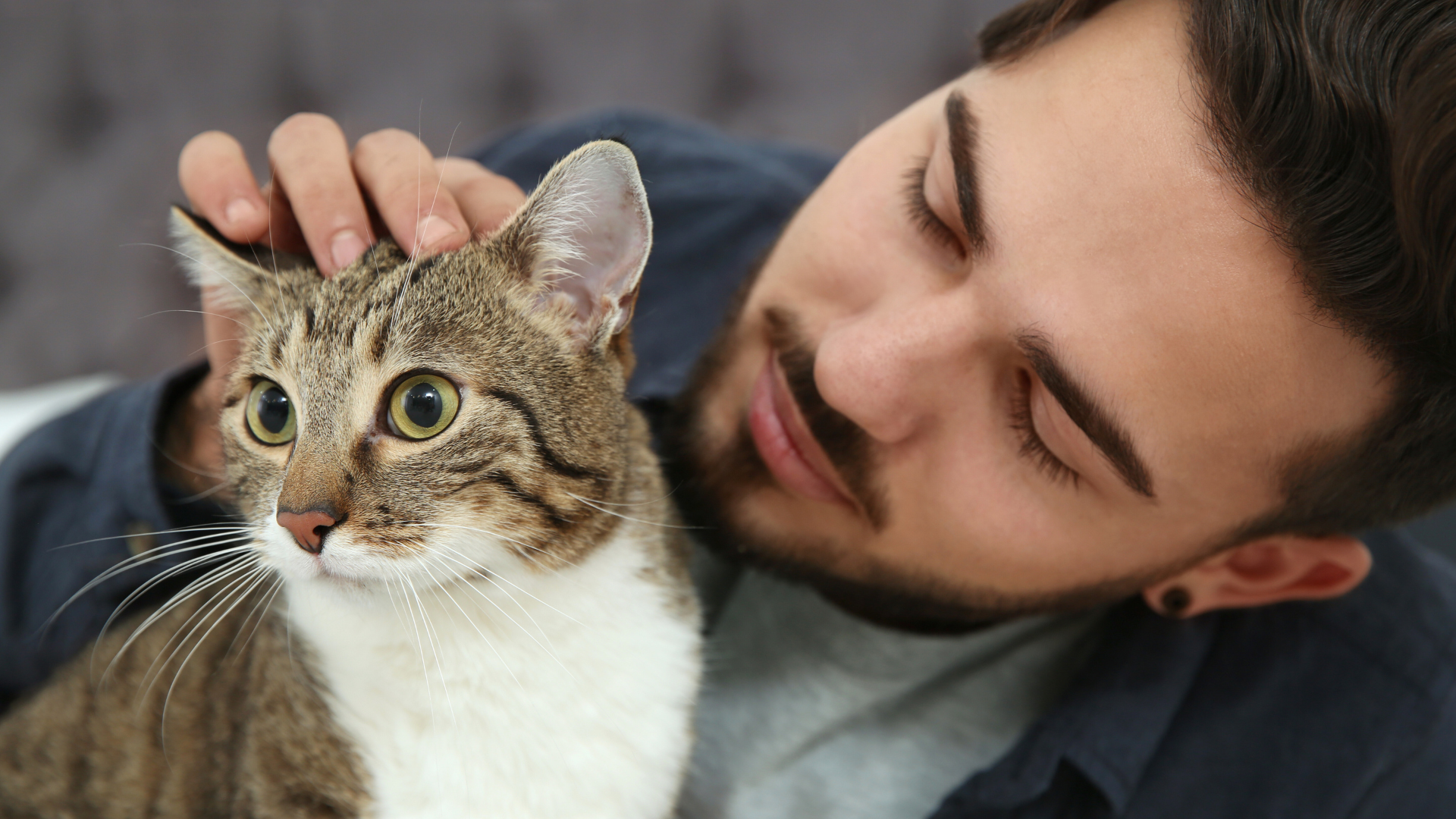
Encouraging playtime with shy cats requires patience and understanding of their unique personalities. They may not respond to immediate interaction, but gentle, consistent encouragement can help them feel comfortable enough to engage.
Offering familiar toys and creating a quiet, safe environment is key to inviting shy cats to play. Gradually introducing new objects or games at their pace builds trust and reduces anxiety.
Recognizing subtle signs of interest and avoiding pressure allows shy cats to explore play on their own terms. This approach fosters positive experiences that can make playtime a regular and enjoyable part of their routine.
Understanding Shy Cats and Their Needs
Shy cats require patience and close attention to their behavior and environment. Recognizing their cues and understanding their triggers helps create a safe space where timid kitties feel comfortable interacting and playing.
Recognizing Signs of Shyness
Shy cats often avoid direct eye contact and retreat when approached quickly. They may hide under furniture, tuck their tails close, or flatten their ears. Vocalizations such as soft hissing or low growling can indicate discomfort.
Physical tension, like crouching or tail twitching, signals unease. These signs differ from aggression and reflect fear or caution. Recognizing these early helps prevent stress or withdrawal in timid cats.
Observing Individual Behaviors
Each timid kitty has unique responses to stimuli and interaction styles. Some may become curious after initial fear, while others remain distant. Tracking these reactions over time helps identify what encourages or deters engagement.
Patterns such as preferred resting spots or times of activity reveal comfort zones. Owners should note whether the shy cat responds to certain toys, sounds, or human approaches positively or negatively. These observations guide tailored support.
Common Triggers for Timidity
Sudden movements, loud noises, and unfamiliar people often trigger a shy cat’s withdrawal. Changes in the environment, like new furniture or strangers, can increase stress levels. Even constructive actions like reaching out too quickly may cause retreat.
Sensory overload from strong smells or bright lights is another common trigger. Understanding these triggers enables caregivers to minimize disturbances and respect the timid cat’s pace towards socialization and play.
Creating a Safe and Stimulating Play Environment
Shy cats benefit from an environment that balances comfort with gentle stimulation. Quiet, inviting spaces paired with opportunities for exploration encourage interaction and reduce stress.
Designing Comfort Zones
Comfort zones should feel secure and familiar to shy cats. Soft bedding placed in quiet corners away from loud noises helps them relax. The area should have stable temperatures and minimal foot traffic to avoid startling them.
Choose fabrics with calming textures like fleece or microfiber. Avoid strong scents or sudden changes in the environment. A consistent setting can make shy cats more willing to engage in play over time.
Incorporating Hideaways and Cardboard Boxes
Hideaways let shy cats retreat when overwhelmed. Cardboard boxes serve this purpose well because they are inexpensive, disposable, and provide enclosed spaces that cats naturally seek.
Boxes should be sturdy and clean, with openings sized for easy entry and exit. Placing toys or treats inside can encourage exploration. Multiple boxes spread around the play area offer choices and a sense of control.
Providing Elevated Spaces with Cat Trees
Elevated spaces, such as a cat tree, create safe vantage points and play opportunities. Shy cats often feel more confident when they can observe from above without being approached directly.
Cat trees with multiple platforms, ramps, and enclosed perches add vertical complexity. This stimulates natural climbing and jumping behaviors. Position the tree near windows or quiet areas to maximize comfort and engagement.
Effective Playtime Techniques for Shy Cats
Creating a comfortable and engaging environment is key when encouraging a shy cat to play. Using the right tools, scents, and positive feedback helps increase interaction over time.
Introducing Interactive Toys
Interactive toys stimulate a shy cat’s curiosity while allowing it to control the pace of play. Toys like puzzle feeders or rolling balls invite exploration without direct human pressure.
These toys give the cat mental exercise and reward through treats or movement, which can reduce fears. Starting with quieter, soft toys helps prevent startling the cat.
Rotating toys often keeps them novel and interesting. Avoid loud or fast-moving toys initially, as these may intimidate a shy cat.
Utilizing Wand Toys
Wand toys offer a controlled way to engage a shy cat from a slight distance. The owner can manipulate the toy’s movement to mimic prey behavior, encouraging the cat’s natural hunting instincts.
Keeping the wand low and slow helps avoid overwhelming the cat. Gradually increasing movement speed as the cat’s confidence grows encourages participation.
Wand toys can be withdrawn at any time, providing the cat with a sense of control. They also foster interaction without forcing physical contact.
Incorporating Catnip for Engagement
Catnip can be an effective attractant, but it should be used carefully with shy cats. Not all cats respond, so testing minimal amounts is important.
Sprinkling catnip on toys or scratching posts can create positive associations with playtime. If the cat reacts positively, catnip encourages relaxed and curious exploration.
Avoid excessive use, as it can desensitize or overstimulate the cat. Using dried catnip or catnip-filled toys intermittently maintains interest.
Building Confidence with Positive Reinforcement
Rewarding shy cats with treats or gentle praise during playtime builds trust and encourages repeat behavior. Timing is critical: rewards should follow play interactions immediately.
Consistency in routine play sessions helps a shy cat anticipate and accept playtime. Using calm, quiet voices reduces anxiety.
Ignoring fearful reactions and allowing the cat to retreat preserves confidence. Positive reinforcement promotes a voluntary and stress-free approach to play.
Building Long-Term Confidence and Social Skills
Helping a shy cat develop confidence and social skills requires patience and careful planning. Consistency, gradual exposure to new experiences, and ongoing monitoring are critical to supporting a timid kitty’s growth over time.
Establishing Consistent Routines
Shy cats respond well to predictable daily schedules. Feeding, playtime, and quiet moments set at regular times reduce anxiety and create a secure environment.
A routine helps the cat anticipate positive interactions, making the timid kitty more willing to engage. Avoid sudden changes that may trigger stress or withdrawal.
Using the same toys and locations for play also reinforces comfort zones. Consistency in handling—gentle and calm touch—builds trust and encourages gradual exploration.
Gradual Introduction of New Experiences
Introducing new stimuli slowly is essential for shy cats. Sudden loud noises or unfamiliar people can deepen fear and reinforce signs of shyness.
Start by exposing the timid kitty to new experiences at a low intensity, such as a new toy left nearby or a visitor keeping distance at first.
Increase exposure step-by-step only after positive signs, like relaxed posture or cautious approach, appear. Pair new experiences with treats or gentle praise to form positive associations.
Monitoring Progress and Adjusting Strategies
Tracking a shy cat’s responses during play and socialization is important. Note changes in body language, such as tail position or ear movement, that indicate comfort or stress.
If a timid kitty shows increased avoidance or aggression, reassess and modify the approach. This may include slowing the pace or changing the type of interaction.
Using a journal or checklist to document behavior helps identify patterns. Adjusting strategies based on observations ensures ongoing support for the cat’s confidence and social growth.