
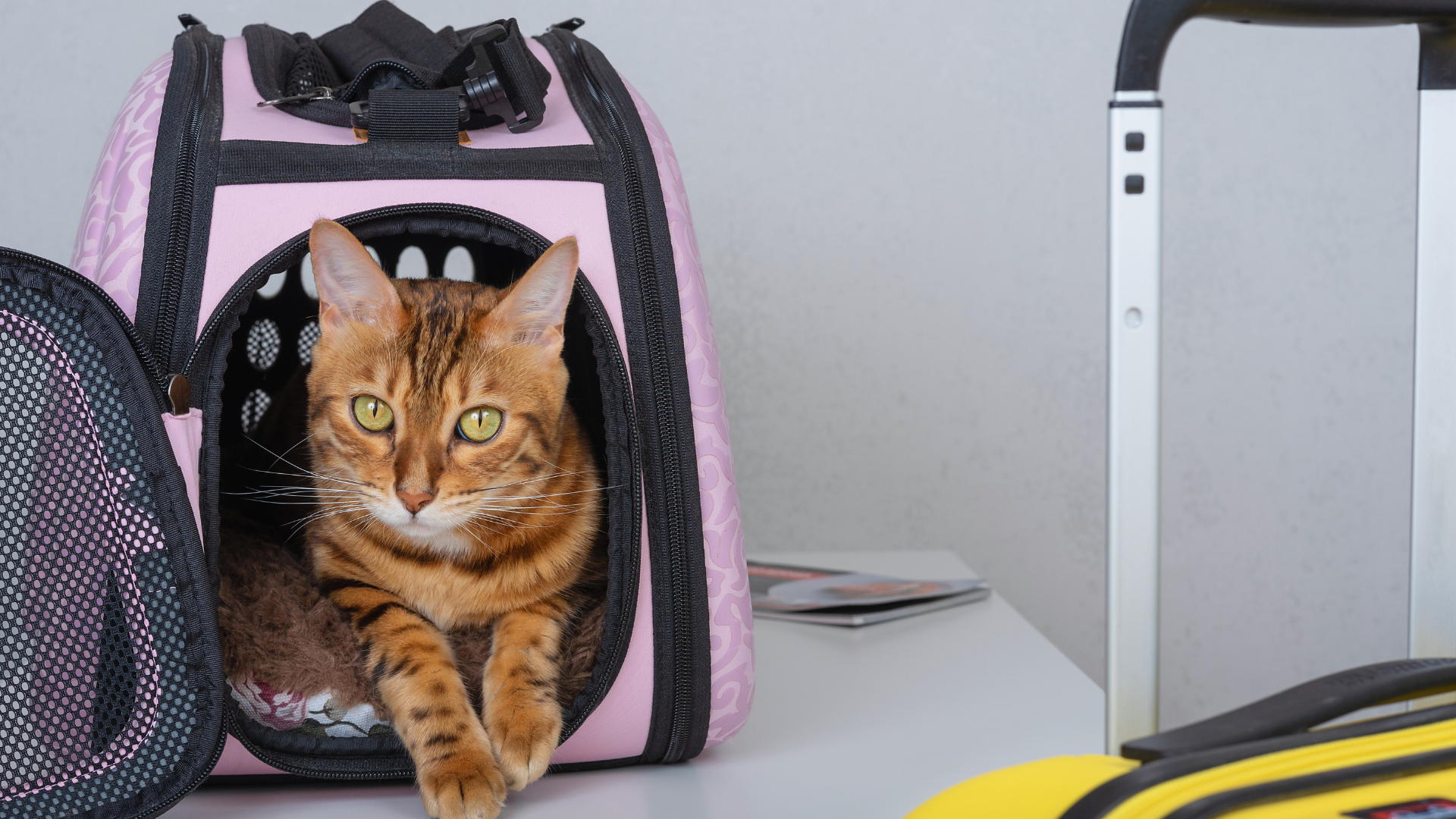
Traveling with cats requires careful preparation to ensure their comfort and safety. Knowing exactly what to pack simplifies the journey and reduces stress for both pet and owner. The essentials include a secure carrier, familiar bedding, food, water, and any necessary medications.
Planning ahead means understanding your cat’s routine, travel restrictions, and potential stops along the way. This helps avoid surprises and keeps the trip smooth. With the right supplies and foresight, traveling with a cat can be manageable rather than overwhelming.
Essential Packing Checklist for Traveling with Cats
Packing carefully ensures a smooth trip for both the cat and its owner. Key items include secure carriers, safety gear like harnesses and leashes, proper feeding supplies, and litter boxes suited for travel. Each must be chosen with the cat’s comfort and safety in mind.
Cat Carrier Selection and Training
Choosing the right cat carrier is crucial for safe travel. It should be sturdy, well-ventilated, and large enough for the cat to turn around comfortably. Hard-sided carriers offer better protection in vehicles, while soft-sided ones are lighter and easier to carry.
Training the cat to enter and stay calm in the carrier before the trip reduces stress. Owners can leave the carrier open at home with familiar blankets or toys inside for positive association. Practice short trips in the carrier to acclimate the cat.
Cat Harness and Leash for Safety
A properly fitted cat harness and leash provide essential control outside the carrier. Harnesses should be adjustable and secure, preventing the cat from slipping out. Lightweight nylon or padded harnesses balance security and comfort.
Bring a leash long enough to allow some movement but short enough to maintain control. Practice using the harness indoors before traveling. This gear helps maintain safety in unfamiliar environments, such as airports or pit stops.
Food, Water, and Feeding Supplies
Carrying familiar food and water containers prevents digestive issues and dehydration. Pack enough dry or wet cat food for the entire duration, plus extra in case of delays. Collapsible bowls are space-saving and practical for travel.
Maintain the cat’s regular feeding schedule to avoid stress. Always have fresh water available and offer small amounts frequently. Avoid new foods or treats during travel to prevent upset stomachs.
Litter Box Options and Waste Management
Selecting the right litter box depends on space and convenience. Disposable litter boxes are convenient for single use and reduce cleaning needs. They are lightweight but less durable.
Collapsible litter boxes save space and are reusable. They fold flat when not in use and weigh less than standard boxes. Carry absorbent litter and waste bags to manage sanitation.
Dispose of waste responsibly during stops. Bring cleaning supplies like wipes and gloves to maintain hygiene. Preparing these items ensures cleanliness and comfort during the trip.
How to Plan a Cat-Friendly Trip
Successful traveling with cats requires detailed planning that prioritizes safety, comfort, and routine. Key factors include selecting appropriate transportation, securing pet-friendly lodging, and organizing breaks to maintain the cat’s usual schedule.
Choosing Pet-Friendly Transportation
When traveling with a cat, the transportation choice directly impacts their stress and safety levels. Airlines often require advance notice for pet travel and specific carriers approved for in-cabin transport. Checking airline policies on carrier dimensions, fees, and health certifications is essential.
If driving, using a secure, well-ventilated carrier minimizes risks during sudden stops or turns. The vehicle should maintain a stable temperature and avoid loud music or sudden noises. For longer trips, bringing familiar bedding inside the carrier can reduce anxiety.
Public transport varies widely; some buses and trains allow pets with restrictions, but it’s advisable to verify policies before departure. Regardless of the mode, ensuring the cat has limited access outside the carrier helps avoid escapes or injuries.
Making Cat-Safe Accommodation Arrangements
Finding accommodations that welcome cats and offer a secure environment is crucial. Booking a pet-friendly hotel or rental requires confirming their pet policies, including allowed carrier size, extra fees, and whether cats can roam indoors or must stay confined.
Pre-arranging a quiet room away from busy corridors or loud equipment reduces stress. Bringing familiar items like litter boxes, toys, and blankets helps the cat feel more at home. A room with easy access to windows can provide visual stimulation without letting the cat escape.
If staying with friends or family, it’s important to prepare the space by removing toxic plants, securing loose wires, and setting boundaries to prevent the cat from accessing dangerous areas.
Scheduling Breaks and Routine Management
Maintaining a cat’s daily routine during travel reduces anxiety and health issues. Regularly scheduled breaks allow cats to use a litter box, hydrate, and stretch their legs, especially during long drives.
Planning stops every 2-3 hours to offer food and water, support digestive health, and comfort. During breaks, the cat should remain inside a carrier to prevent escape or exposure to unsafe environments.
Keeping feeding and playtimes consistent with home schedules helps preserve a sense of normalcy. If the cat has medications, they should be administered on time, and travel documents or vet contact info should be easily accessible in case of emergencies.
Preparing Your Cat for a Stress-Free Journey
A calm cat starts with careful preparation. Introducing carriers, adjusting routines, and using comfort items will help reduce anxiety and promote smoother travel.
Carrier Familiarization Techniques
Introduce the cat carrier gradually, well before traveling. Place it in a common area with the door open to let the cat explore freely. Adding familiar scents, like a blanket or a piece of clothing, encourages acceptance.
Use treats and meals inside the carrier to create positive associations. Avoid rushing; daily sessions of just a few minutes can increase comfort over time.
For cats resistant to traditional carriers, a cat backpack may be an alternative. It offers visibility and movement while still acting as a secure enclosure.
Routine Conditioning and Short Practice Trips
Establish a travel routine by mimicking trip conditions in daily life. Start with brief car rides or walks using the carrier or backpack. This helps the cat associate traveling with safe, predictable experiences.
Keep these sessions short, around 5 to 10 minutes, then gradually extend the time. Monitor the cat’s reactions and stop if it shows signs of severe distress.
Consistency in feeding, play, and rest times during preparation reduces stress. Train the cat to settle calmly in the carrier before longer trips.
Calming Strategies and Comfort Items
Use pheromone sprays or diffusers designed for cats near the carrier to help reduce anxiety. These mimic natural calming scents and can be applied before and during travel.
Pack the cat’s favorite blanket, toys, or a small pillow to provide familiarity. These items offer tactile comfort and distraction during movement.
Comfort can also come from covering the carrier with a breathable cloth to block visual stimuli. Avoid sedatives unless prescribed by a veterinarian specifically for travel.
Advanced Tips and Emergency Planning
Preparation is crucial when traveling with cats to handle health, safety, and unexpected events effectively. Careful documentation, accessible medical supplies, and strategies for sudden issues ensure a smoother trip.
Essential Health Records and Identification
Travelers should carry a complete set of health records, including vaccination history, recent vet visits, and any chronic condition details. These documents are often required by airlines or pet-friendly accommodations.
Microchipping is recommended for permanent identification. Additionally, a collar with an ID tag displaying the owner’s contact information is essential in case the cat escapes.
Travelers often keep digital copies of health records on a phone or cloud storage for quick access. This preparation supports smooth check-ins and faster emergency treatment if needed.
Travel First Aid and Medication
A compact travel first aid kit tailored for cats is necessary. It should include items like antiseptic wipes, gauze, tweezers, a digital thermometer, and a tick remover.
Owners must pack any prescribed medications with clear dosage instructions. Over-the-counter items like saline solution or styptic powder can be useful for minor injuries.
Label all medication clearly and store everything in an organized, waterproof pouch within easy reach. This reduces response time during travel emergencies.
Dealing with Unexpected Situations
Planning for sudden issues such as lost cats, illness, or travel delays is key. Creating a list of nearby veterinary clinics along the route is recommended.
If a cat becomes distressed, offering a familiar blanket or toy from the cat travel checklist can help soothe anxiety. Keeping emergency contact numbers, including a backup caretaker, is also important.
For lost cats, sharing recent photos and using tracking devices can increase recovery chances. Prompt action and preparation minimize risks during pet travel emergencies.