
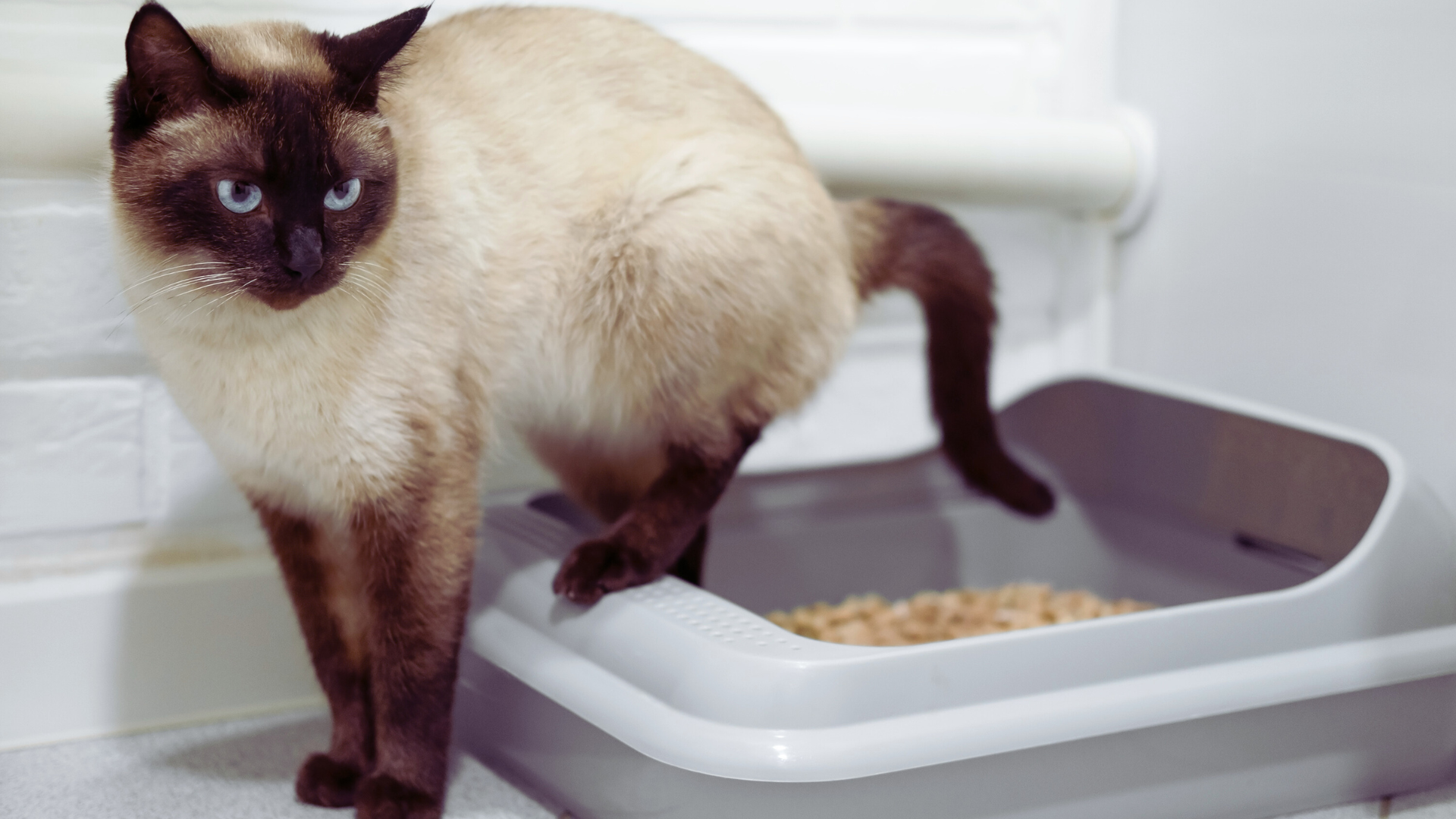
Maintaining proper litter box hygiene is essential for ensuring a healthy environment for both cats and their owners. Regular cleaning and appropriate litter choices can significantly reduce odors and prevent infections. The best practices for litter box hygiene include scooping daily, thoroughly cleaning the box weekly, and using high-quality litter designed to control odors and clumping.
Understanding the importance of hygiene in a litter box is crucial for any cat owner. Neglecting this aspect of pet care can lead to behavioral issues and health problems for cats. Effective litter box maintenance not only benefits the cat’s health but also enhances the overall living space for everyone in the home.
Implementing these best practices will create a more inviting litter box experience that encourages consistent use. A clean and well-maintained litter box can also strengthen the bond between the cat and its owner, fostering a more pleasant living situation. Adopting these guidelines ensures a happier, healthier environment for all involved.
Selecting the Optimal Litter
Choosing the right litter can significantly impact both the cat’s comfort and the owner’s convenience. Understanding the various types of litter and their properties will guide the selection process.
Understanding Litter Types
There are several litter types available, each with unique characteristics. Common options include clay-based, natural, and silica gel litters:
- Clay-Based Litters: Often made from sodium bentonite, these litters are popular for their clumping abilities. They absorb moisture and control odors effectively.
- Natural Litters: Derived from recycled paper, wood, or corn, these options appeal to environmentally conscious users. They are often biodegradable and less likely to cause allergies.
- Silica Gel Litter: Composed of tiny silica crystals, this type absorbs moisture and controls odor without clumping. It can last longer between changes compared to other types.
Non-Clumping vs. Clumping Litter
Clumping and non-clumping litters serve different needs. Clumping litter forms solid masses when wet, making it easier to scoop waste. This helps in maintaining cleanliness and reducing odor more effectively. Common materials for clumping litter include clay or plant-based substances.
Non-clumping litter absorbs moisture but does not form solid clumps. Regular maintenance is necessary to keep the litter box clean, as waste can become mixed in with the litter. While it may be less convenient, it can be a suitable choice for some cats.
Considering Specialized Litters
Specialized litters cater to specific needs and preferences. Some may focus on being dust-free, which can be especially important for cats or owners with allergies. These litters minimize respiratory irritants, creating a healthier environment.
Others may contain added scents or odor-controlling agents, beneficial for those concerned about strong odors. It’s essential to observe the cat’s reactions to specialty litters, as not all cats prefer scented options.
Choosing the right litter involves considering the cat’s habits and preferences, ensuring both comfort and hygiene.
Maintaining Litter Box Cleanliness
Regular maintenance of a litter box is crucial for a healthy environment for pets and their owners. Proper daily care and periodic deep cleanings help manage odors and prevent bacterial growth, ensuring a clean litter box.
Daily Litter Box Upkeep
Daily scooping is essential for maintaining cleanliness. It is recommended to scoop the litter box at least once a day to remove waste and clumps. This practice prevents the buildup of unpleasant odors and helps keep the litter clean.
For effective daily upkeep, using a quality litter scoop is important. A scoop with a slotted design allows clean litter to fall back into the box while retaining waste. Additionally, consider replacing litter regularly to keep the box fresh.
Scheduling Deep Cleanings
Deep cleaning the litter box should occur at least once a month. This process removes lingering waste, minimizes bacteria, and refreshes the box’s environment. Start by emptying the litter and washing the box with hot, soapy water.
Using a mixture of water and vinegar can help disinfect the area. After washing, ensure the box is completely dry before adding clean litter. This will reduce moisture and discourage bacterial growth.
Managing Odor Effectively
Odor control is a major aspect of litter box hygiene. In addition to daily scooping, adding baking soda to the litter can help neutralize smells. A thin layer sprinkled on top of clean litter absorbs moisture and reduces odors.
If strong odors persist, consider changing the litter type. Some litters offer enhanced odor control features. Implementing covered litter boxes may also assist in managing smells while providing privacy for the pet.
Advanced Litter Box Solutions
Maintaining litter box hygiene can be challenging, especially in homes with multiple cats. Innovative solutions are available to streamline the process and address specific needs, such as territorial disputes and cleanliness.
Handling Multi-Cat Households
In multi-cat households, having multiple litter boxes is crucial. The general recommendation is to have one litter box per cat, plus one extra. This setup reduces territorial disputes and encourages proper bathroom habits.
Positioning: Place litter boxes in various locations to ensure accessibility and privacy. Avoid crowded areas where stress could arise.
Types of Litter Boxes: Use different styles to accommodate preferences. Some cats prefer enclosed boxes for privacy, while others like open ones for easy access.
Regular Maintenance: Increase the frequency of scooping to at least once a day. It may be beneficial to automate some aspects of this process. Self-cleaning litter boxes can significantly improve hygiene and convenience.
Innovations in Litter Box Technology
Recent advancements in litter box technology include automatic and self-cleaning options that provide higher levels of cleanliness and reduce user effort.
Automatic Litter Boxes: Products like the PetSafe ScoopFree use sensors to detect when a cat leaves the box. They automatically rake waste into a sealed compartment, which can be emptied every few weeks.
Self-Cleaning Litter Boxes: These devices often come with built-in waste disposal systems. They eliminate odors and reduce the frequency of manual cleaning.
Smart Features: Some modern litter boxes integrate apps to notify owners when cleaning is needed or when the litter level is low. This level of control makes managing multiple cats significantly easier.
Investing in advanced litter box solutions can lead to healthier habits for cats and a more hygienic environment for owners.
Associated Considerations for Litter Box Use
Proper placement and regular monitoring of the litter box can significantly impact the cat’s health and hygiene. Considerations in these areas include accessibility, ventilation, and potential health issues that may arise from improper maintenance.
Placement and Accessibility
Choosing the right location for a litter box is crucial. It should be in a quiet, low-traffic area that allows the cat to feel safe while using it. Avoid placing it near food and water dishes.
Accessibility matters too. A covered litter box may offer privacy but can limit airflow, leading to odor buildup. If using a covered box, ensure it has adequate ventilation.
A litter mat can help manage mess and track litter. Opt for mats that are easy to clean and effectively reduce litter spread around the house. Placing multiple boxes in various locations can also accommodate cats’ preferences and prevent territorial disputes.
Monitoring and Health Impacts
Regularly monitoring litter box usage is vital for identifying potential health issues. A sudden change in bathroom habits can indicate problems such as urinary tract infections or digestive issues.
Maintaining hygiene is essential. Regularly empty and clean the box with unscented soap and warm water to prevent odors and allergic reactions.
Watch for signs of discomfort or hesitation in approaching the litter box; this might indicate litter box problems such as an unsuitable substrate or inadequate cleanliness. Prioritize health by consulting a veterinarian if behavioral changes are observed.