
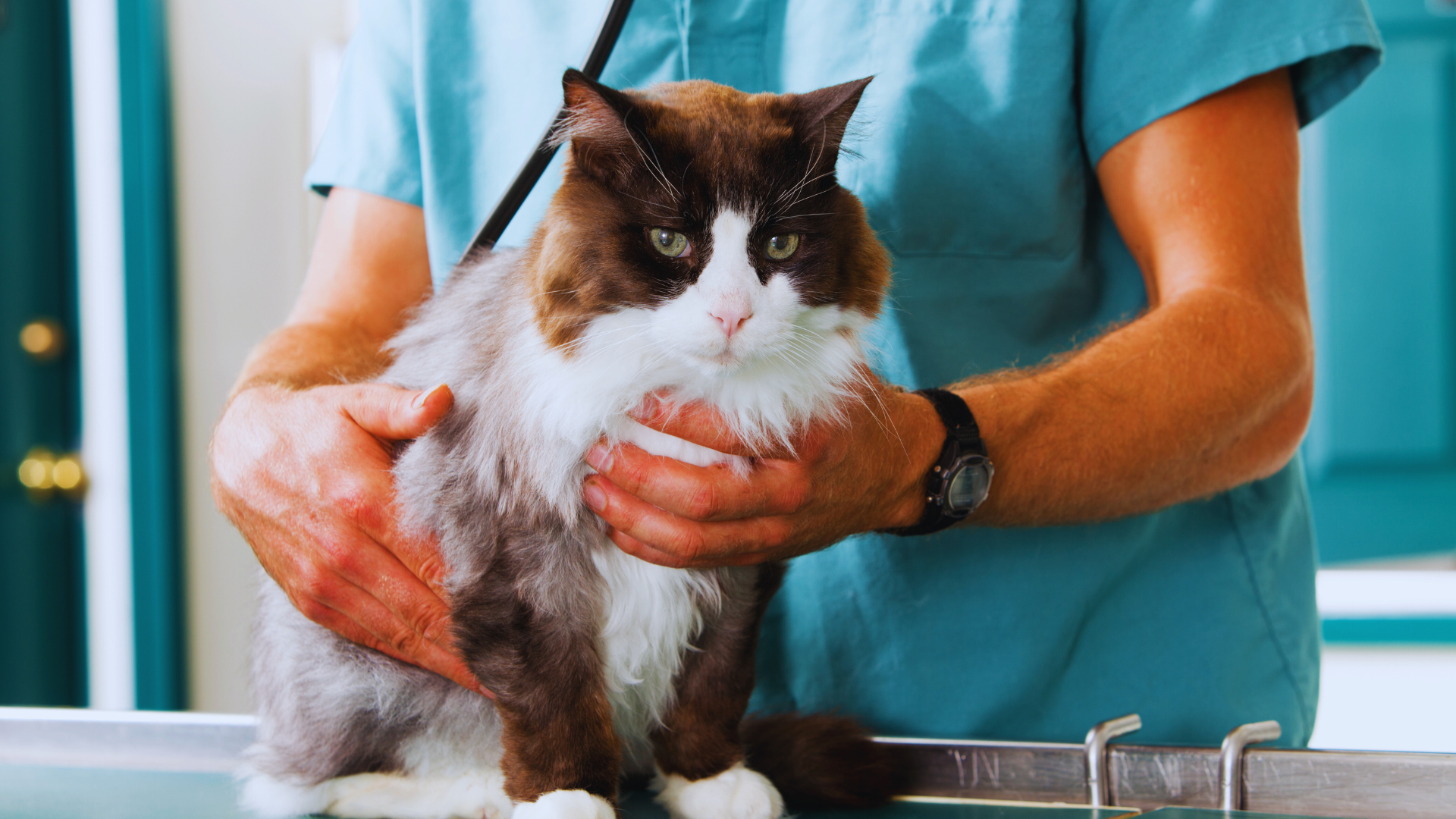
Cats can encounter various emergencies, and knowing how to provide first aid is essential for any cat owner. Basic knowledge of first aid for cats can make a significant difference in emergency situations, potentially saving a life before veterinary care is available. Understanding the common injuries or health issues cats face prepares owners to act promptly and effectively.
Injuries such as cuts, burns, or bites can occur unexpectedly, requiring immediate attention. Recognizing signs of distress and knowing basic techniques, such as how to control bleeding or perform CPR, are crucial skills. Familiarity with these processes allows a pet owner to remain calm and collected during high-stress moments.
While first aid can be valuable, it is not a substitute for professional veterinary care. Timely access to a veterinarian following an emergency is vital, as some conditions may worsen without appropriate medical intervention. Ensuring access to a veterinary clinic and understanding when to seek help can enhance the safety and well-being of a beloved cat.
Preparing a Cat First Aid Kit
A properly equipped first aid kit is essential for addressing minor injuries and health emergencies in cats. It should include basic supplies and resources for quick access when a cat’s health is at risk.
Essentials for Immediate Care
A cat first aid kit should contain specific items tailored to feline needs. Here is a list of essential items to include:
- Sterile gauze pads: For controlling bleeding.
- Adhesive tape: To secure bandages.
- Antiseptic wipes: For cleaning wounds.
- Tweezers: To remove splinters or ticks.
- Scissors: With rounded tips for safety.
- Thermometer: Digital thermometers are best for pets.
- Cold pack: Helps manage swelling from injuries.
- Pet first aid manual: Provides guidance on various situations.
Additionally, a Pet Poison Helpline number should be included in the kit. This is vital for prompt advice if a cat ingests a toxic substance. Regularly check and restock supplies to ensure everything is fresh and usable.
Online Resources and Training
Alongside physical supplies, online resources play a critical role in first aid preparedness. Many organizations offer valuable online courses for pet owners.
The Red Cross provides certified training specifically addressing pet first aid. These courses cover skills such as CPR and choking relief.
Additionally, websites like the Pet Poison Helpline offer guidelines on common toxins and quick steps to take in case of exposure.
Utilizing these resources enhances a cat owner’s confidence in managing emergencies effectively. Ensuring one is educated and informed is just as important as having the physical kit ready for use.
Immediate Actions During Medical Emergencies
In critical situations involving cats, rapid assessment and targeted actions are essential. Knowing how to handle various emergencies can make a significant difference in outcomes.
Assessment and Primary Care
Initial assessment is crucial when a cat shows signs of distress. The owner should check the cat’s responsiveness and observe any visible injuries or symptoms.
If the cat is bleeding, apply gentle pressure with a clean cloth or bandage. It’s important to control the bleeding before seeking further help. For severe bleeding, applying a tourniquet above the injury may be necessary.
In cases of seizures, ensure the cat is in a safe space, away from sharp objects. Timing the seizure can provide valuable information for the veterinarian. After it subsides, keep the cat calm and comfortable until help arrives.
Handling Specific Emergencies
Choking is a critical emergency requiring immediate action. If the cat is choking, look for signs such as gagging or inability to breathe. Carefully open the mouth to remove any visible obstruction.
In serious situations, performing a modified Heimlich maneuver can help. Hold the cat with its back against your chest, then thrust upward with your hand under the ribcage.
For CPR, if the cat is unresponsive and not breathing, the technique involves chest compressions. Apply compressions at a rate of 100-120 per minute, pressing down 1-1.5 inches deep. Seek emergency vet care immediately after initiating CPR.
In all emergencies, contacting an emergency vet promptly ensures that professional help is on the way. Their guidance can help stabilize the cat until they can receive professional care.
Basic First Aid Procedures
Basic first aid procedures for cats encompass several critical practices. Prompt and effective response can significantly impact the recovery and well-being of a feline in distress. Key areas include wound care and performing CPR, both of which require careful attention and specific techniques.
Wound Care and Bandaging
Proper wound care is essential to prevent infection and promote healing. Initially, examine the wound for debris, foreign objects, or excessive bleeding. If bleeding occurs, apply direct pressure with a clean cloth or gauze until it stops.
After bleeding is controlled, clean the wound gently with saline solution or clean water to remove dirt. It’s vital to avoid using hydrogen peroxide, as it can damage tissue. Once cleaned, apply an antiseptic ointment.
Bandaging a wound helps protect it and keep it clean. Use a non-adhesive bandage, and ensure it’s not too tight to avoid constricting circulation. Change the bandage daily and monitor for signs of infection, like swelling or discharge.
Performing CPR and Rescue Breathing
Cardiac emergencies in cats necessitate immediate action. If a cat is unresponsive and not breathing, start by checking for a heartbeat. If absent, place the cat on a firm surface.
Perform chest compressions by placing hands over the heart area, typically located at the intersection of the forelegs. Compress at a rate of 100-120 compressions per minute, allowing the chest to fully recoil.
After every 30 compressions, give two rescue breaths. Ensure the cat’s mouth is closed, and cover the nose with your mouth. Provide a breath for about one second, watching for the chest to rise.
Continue this cycle until the cat breathes on its own or medical help arrives. Proper technique and urgency can be life-saving in these situations.
Aftercare and Monitoring
Proper aftercare and monitoring are crucial steps following a first aid event for cats. Ensuring a cat’s recovery involves regular checks of their health status and implementing preventative measures to avoid future emergencies.
Post-Emergency Check-Ups
After administering first aid, it is essential to schedule a follow-up visit to a veterinarian. This appointment allows a professional to assess the cat’s condition and monitor for any complications. Key aspects to check during this visit may include:
- Vital Signs: Heart rate, respiratory rate, and temperature should be evaluated. Normal ranges are important to ensure recovery.
- Behavioral Assessment: Any changes in behavior or appetite should be noted, as they can signify underlying issues.
- Wound Care: If applicable, the vet will review wound healing and provide guidance on care.
Following veterinary advice regarding medication and follow-up appointments is also crucial for effective recovery.
Ongoing Preventative Measures
Preventative care is vital to reduce the risk of future emergencies. Regular health check-ups should occur at least once a year. Cats should be up to date on vaccinations and parasite control.
In addition, owners can establish a routine by monitoring the cat’s health regularly. Important practices include:
- Nutrition: Providing a balanced diet tailored to the cat’s age and health needs.
- Environment: Ensuring a safe environment free from hazards that could lead to emergencies.
- Observation: Regularly checking for any signs of distress or illness.
By implementing these measures, owners can contribute significantly to their cat’s long-term health and well-being.