
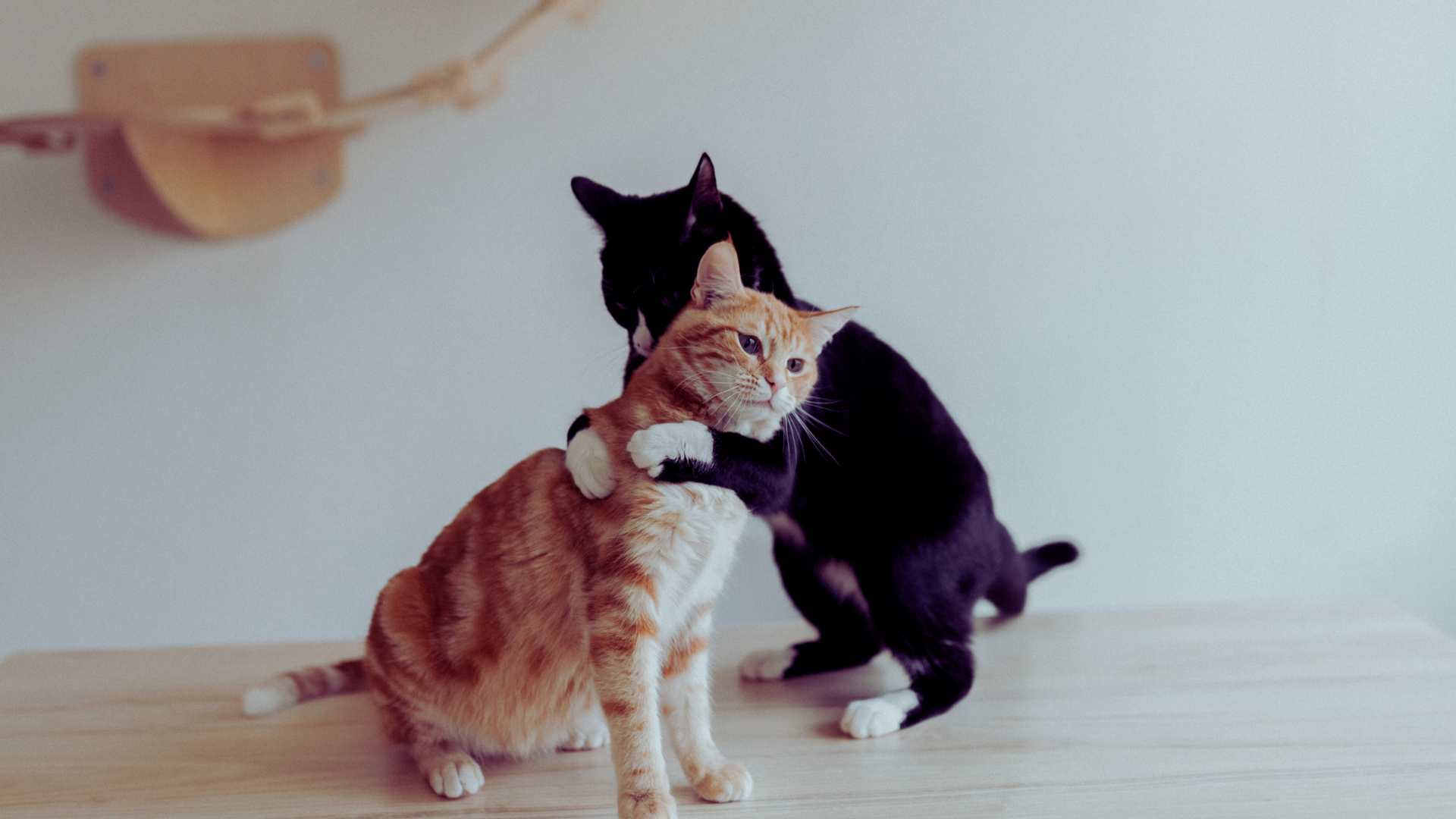
Introducing a new pet to a resident cat can be a challenging yet rewarding experience. The key to a successful introduction lies in a gradual process that allows both animals to adjust to the presence of each other. Taking the time to create a positive environment can greatly reduce stress for both pets and set the stage for a harmonious relationship.
Choosing the right space for introductions is crucial. Starting in a neutral area where neither pet feels territorial can help. Additionally, providing separate spaces with their own resources, like food and litter boxes, ensures that both pets feel secure as they acclimate to one another’s scents and presence.
Patience is essential throughout this process. It’s important to observe their behavior and give them time to explore their feelings about each other. By fostering a calm atmosphere and using treats and praise, the new pet can be welcomed into the household more smoothly.
Preparing Your Home
Creating an inviting and safe environment is crucial when introducing a new pet to an existing cat. This section covers establishing separate living areas, setting up litter boxes, and creating hiding spaces and scratching posts, all of which can help ease the transition for both pets.
Establishing Separate Living Areas
Before the new pet arrives, designate a separate living area for it. This space should be away from the existing cat’s domain. Use a spare room or a section of the home where the new pet can feel secure.
Ensure this area has essential items, such as food and water bowls, toys, and a safe sleeping spot. This allows the new pet to acclimate gradually.
After a few days, the introduction can begin. Gradually allow the pets to meet by keeping the new pet in its designated area while allowing the existing cat to explore nearby.
Setting Up Litter Boxes
Having separate litter boxes is essential for both cats. It prevents territorial disputes and encourages proper elimination behavior.
Position at least two litter boxes in different areas of the home. The new pet should have easy access to its box without feeling threatened by the existing cat.
Keep litter boxes clean and filled with familiar litter to help both cats adjust. Observe their usage to ensure they are comfortable using their designated boxes.
Creating Hiding Spaces and Scratching Posts
Providing hiding spaces helps both cats feel secure during the adjustment period. Use existing furniture or consider cat trees with enclosed spaces where the new pet can retreat if feeling overwhelmed.
Incorporate scratching posts in multiple locations to satisfy natural scratching instincts. This encourages healthy behavior and helps reduce stress.
Introducing cozy, personal hiding spots can ease tensions as they allow each cat to establish personal territory. Balance these areas evenly between the two pets to promote comfort for both during their initial meeting.
Introducing Your New Cat
Successfully introducing a new cat requires careful planning and attention to the resident cat’s feelings. Key methods include scent exchange and controlled visual introductions, both crucial steps to minimize stress and promote acceptance.
Initial Scent Exchange
Scent is vital in a cat’s world, and introducing a new cat begins with scent exchange. Start by allowing the new cat to explore a separate room for a few days.
During this time, use a soft cloth to gently rub the new cat and then let the resident cat sniff it.
This step helps them acquaint themselves with each other’s scent without direct contact.
Repeat this process several times with the cloth, swapping it between the two cats. Gradually, the cats will become more familiar, reducing anxiety and facilitating a smoother introduction.
Controlled Visual Introduction
Once the scent exchange has occurred, the next step involves a controlled visual introduction. This process allows both cats to see each other without direct interaction, easing any potential aggression or fear.
Begin by using a baby gate or slightly opening a door to create a barrier.
Keep the encounters brief—around 5 to 10 minutes initially—while observing their reactions.
If either cat shows signs of stress or aggression, separate them and try again later.
Rewarding both cats with treats during these sessions enhances positive associations. Over time, extend the duration of their visual meetings as they become more comfortable.
Facilitating Positive Interactions
Creating a successful introduction of a new pet to a cat involves carefully managed interactions and strategies to promote positive associations. Using supervision and positive reinforcement can significantly enhance the likelihood of harmonious relationships between pets.
Supervised Interactions
Supervised interactions are essential during the initial meetings between a cat and a new pet. Keeping both animals separated initially can help. Gradually allow them to see and smell each other through a barrier, like a baby gate or a cracked door.
When it’s time for face-to-face interactions, ensure that both pets are calm. The owner should be present to monitor behavior. If either pet shows signs of stress or aggression, it’s critical to separate them immediately. Taking things slow reduces anxiety and fosters trust.
Using toys or treats during these interactions can also help. This creates a positive environment, leading cats to associate the new pet with enjoyable experiences.
Encouraging Positive Reinforcement
Positive reinforcement is an effective technique for encouraging desirable behaviors. Whenever the cat displays calm behavior in the presence of the new pet, offer treats or verbal praise. This helps them associate the other animal with good outcomes.
Establishing a routine can further reinforce positive interactions. Feeding both pets simultaneously, but in separate spaces, helps them associate each other with enjoyable experiences.
If the cat approaches the new pet without fear, reward this behavior immediately. Continuous reinforcement will encourage further positive interactions over time.
Ultimately, the goal is to build a strong foundation of comfort and trust between the pets. Patience and consistency in using these methods will facilitate a smoother adjustment period and promote lasting harmony.
Building a Long-Term Relationship
Establishing a long-term relationship between a resident cat and a new cat involves patience and consistent effort. It is essential to respect the territory of the existing cat during the introduction phase.
Steps to Build a Healthy Bond:
- Gradual Introductions:
- Use separate spaces for both cats initially.
- Allow them to smell each other’s belongings to get familiar without direct contact.
- Controlled Meetings:
- After a few days, allow short supervised meetings.
- Use a leash for the new cat if needed.
- Positive Reinforcement:
- Reward both cats with treats when they exhibit calm behavior around each other.
- Encourage playtime and interactions that are gentle.
- Shared Resources:
- Provide separate food bowls, litter boxes, and resting places to avoid competition.
- Gradually introduce shared toys and play areas as comfort levels increase.
- Monitor Behavior:
- Watch for signs of stress or aggression from either cat.
- If tensions arise, take a step back and allow more time before trying again.
Time is crucial. Building a relationship may take weeks or even months. Consistency in these practices will help them develop a peaceful coexistence and potentially a strong bond.