
Cats have been companions to humans for thousands of years, evolving from wild hunters to beloved domestic pets. The history of cats reveals a journey of domestication that began around 9,000 years ago in the Near East, where early agriculture created an environment for their survival. These agile creatures were drawn to human settlements by the abundance of rodents, leading to a mutually beneficial relationship.
As society progressed, domestic cats became more integrated into human life, influencing cultures across the globe. From ancient Egypt, where they were revered as sacred animals, to modern households, their presence has shifted but remains significant. The domestication of cats is not merely a tale of companionship; it illustrates the gradual shift in human relationships with wildlife and the impact of the environment on behavior.
Understanding the history of cats offers insight into their behavior and role in human society today. This fascinating evolution showcases the complexities of their nature, blending instincts from their wild ancestors with adaptations that have allowed them to thrive alongside humans.
Origins and Domestication
The history of cats begins with their wild ancestors, leading to their domestication and integration into human societies. The evolution from wild to domestic species showcases significant adaptation and partnership between felids and humans.
Ancient Wildcat Ancestors
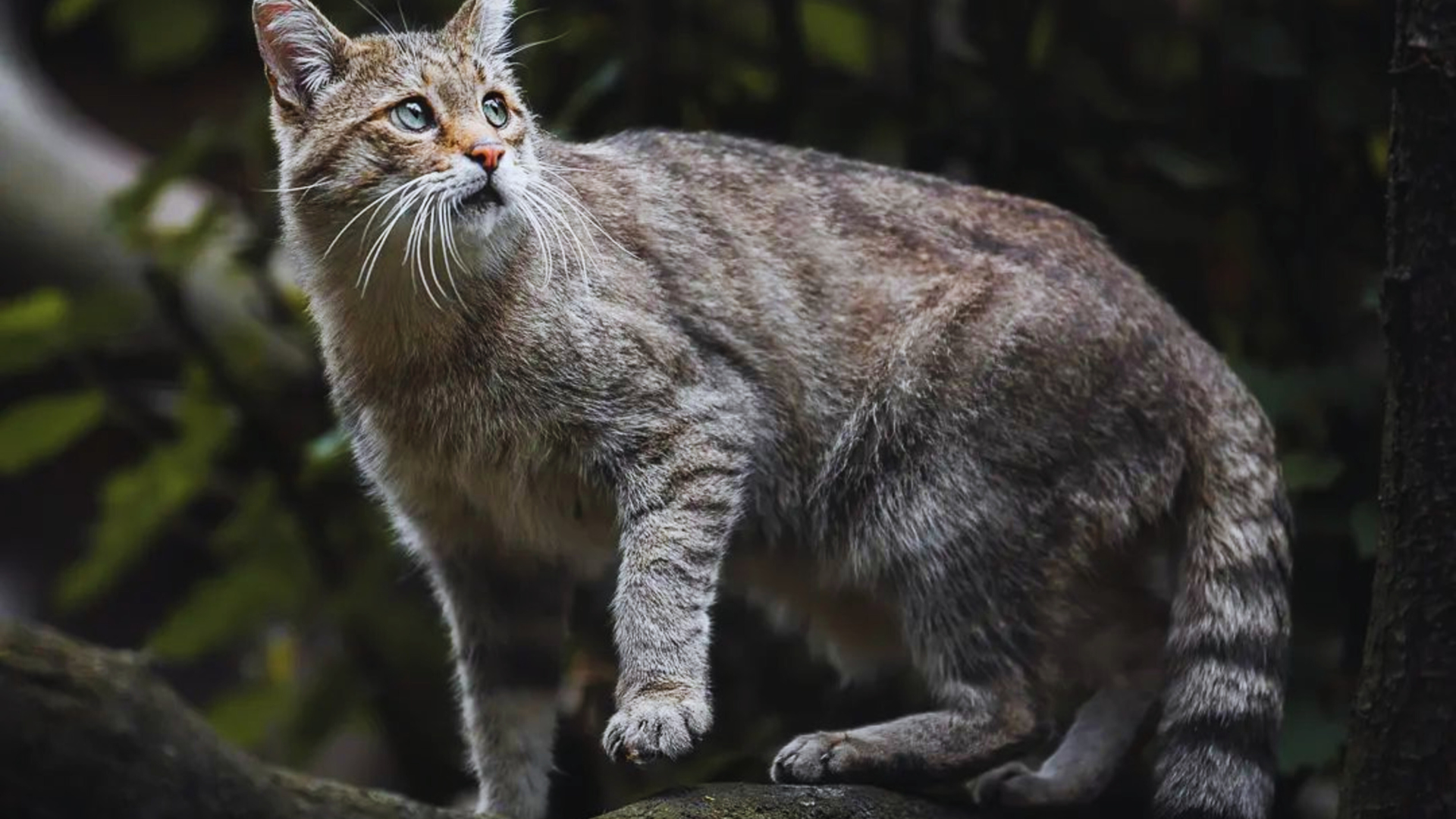
Cats trace their lineage back to ancient ancestors like Miacis, a small carnivore from the late Paleocene. Over time, these ancestors evolved into various species within the family Felidae. The genus Felis, which includes the modern wildcat, emerged as a key player. Notably, Felis silvestris, the wildcat ancestor, inhabited Europe, Asia, and Africa.
These wildcats adapted to diverse environments, developing hunting techniques to capture rodents and other prey. They became effective hunters, creating a symbiotic relationship with early agricultural humans as they controlled pests in stores of grain.
Domestication in the Near East
Domestication began around 10,000 years ago in the Near East, particularly in regions like Cyprus. As humans transitioned to farming, they generated stable food sources, attracting rodents. Wildcats, particularly the African wildcat (Felis lybica), ventured closer to human settlements.
Mutual benefits emerged: cats helped eliminate pests while humans provided a reliable food source. This process led to the gradual taming and eventual domestication of these felids. By selective interactions, traits such as sociability and reduced fear of humans became prominent, differentiating them from their wild counterparts.
Spread Across Civilizations
The domestication of cats spread across various civilizations, with evidence found in ancient Egypt. Cats were revered for their hunting skills, leading to their prominent status as protectors of grain stores. They were often linked to deities, reflecting their importance in cultural practices.
As trade routes expanded, cats traveled with humans to Asia and Europe, adapting to new environments. Feral cats developed in these regions, exhibiting behaviors distinct from their domestic relatives. The relationship between humans and cats evolved, leading to a variety of breeds, ultimately shaping the domestic cat as we know it today.
Cultural Influence of Cats
Cats have significantly influenced various cultures throughout history, notably in ancient societies and through mythology. Their presence has inspired symbolic meanings, superstitious beliefs, and associations with the supernatural.
Cats in Ancient Egypt
In ancient Egypt, cats held sacred status and were closely linked to the goddess Bastet. This feline deity represented home, fertility, and domesticity. Egyptians revered cats for their hunting prowess, which helped control pests and protect food supplies.
Mummified cats were discovered in tombs, indicating their importance in the afterlife. Families often kept cats as companions and protectors of the household. The city of Bubastis became a significant religious center dedicated to Bastet, where festivals celebrated the protective qualities of cats.
Symbolism and Folklore
Cats have featured prominently in folklore across cultures. They symbolize various attributes, such as independence and mystery. In many societies, black cats are often associated with superstitions and witchcraft, frequently viewed as omens.
In contrast, the Maneki-neko, a Japanese cat figurine, symbolizes good luck and prosperity. The imagery of cats as guardians or bringers of fortune remains prevalent. Various artistic representations throughout history have highlighted cats’ duality in symbolism, embodying both benevolence and mystique.
Cats and Witchcraft
The association between cats and witchcraft dates back centuries. Cats were believed to be companions or familiars of witches, particularly during the European witch hunts. Black cats, in particular, faced persecution and were often seen as sinister entities.
These beliefs contributed to the widespread superstitions surrounding cats, leading to myths about their powers. The legacy of these associations persists today, influencing perceptions of cats in popular culture and folklore. Cats continue to evoke intrigue, reflecting their deep-rooted connections to human history.
Cats Through History
Cats have played significant roles throughout history, from revered symbols in ancient cultures to beloved companions in contemporary society. Their journey reflects changes in human attitudes towards domestic animals and their unique skills.
The Middle Ages to the Victorian Era
During the Middle Ages, cats faced a tumultuous reputation. They were often associated with witchcraft and superstition, leading to widespread persecution. Their population declined as people feared their role in the spread of disease, believing they were linked to the plague.
Despite this, cats served important functions. They helped control pests in homes and grain stores, proving invaluable to communities. As attitudes shifted, the Victorian era marked a turning point. Cats began to be viewed as companions rather than mere utility animals.
In the late 19th century, cat shows emerged, highlighting cats’ beauty and uniqueness. This was a critical step towards the appreciation of different breeds and characteristics.
Modern Domestication
The modern landscape of cat ownership reflects a broader acceptance of cats as household pets. The species, scientifically known as Felis catus, evolved alongside humans, becoming more sociable and adaptable.
Domestication has led to a variety of breeds, each with different traits and appearances. Today, cats are celebrated for their companionship, providing emotional support and joy to millions.
Moreover, the rise of social media has further popularized cats, with numerous platforms dedicated to showcasing their behavior and antics. This connection underscores their significant role in contemporary culture and highlights a shift in human-feline relationships.
Evolution of the Domestic Cat
The evolution of domestic cats illustrates their journey from wild ancestors to beloved household companions. Key aspects include the development of distinct breeds and their integration into human households as pets.
Development of Breeds
Domestic cats can trace their ancestry back to wildcats, particularly the African wildcat (Felis silvestris lybica), around 9,000 years ago. As agriculture emerged, these wildcats were attracted to human settlements due to the presence of rodents. This relationship fostered a mutually beneficial system; cats controlled pests, while humans provided food sources.
Selective breeding began in the 19th century, shaping the diverse range of cat breeds seen today. Breeds like the Siamese, Persian, and Maine Coon were developed for distinct characteristics. The distinguishing features include coat patterns, size, and temperament, influenced by both natural selection and intentional breeding practices.
Cats as Household Pets
Cats transitioned from practical hunters to valued companions over the years. This shift was facilitated by their low-maintenance nature. Unlike dogs, cats require less attention and can thrive independently, making them suitable for various living environments.
The invention of items like kitty litter in the mid-20th century enhanced indoor cat care. This innovation allowed for easier management of waste, further promoting their adoption as household pets. Cats established a unique relationship with humans, providing companionship while maintaining their autonomous behaviors. This bond continues to evolve, reflecting changing lifestyles and preferences in modern society.