
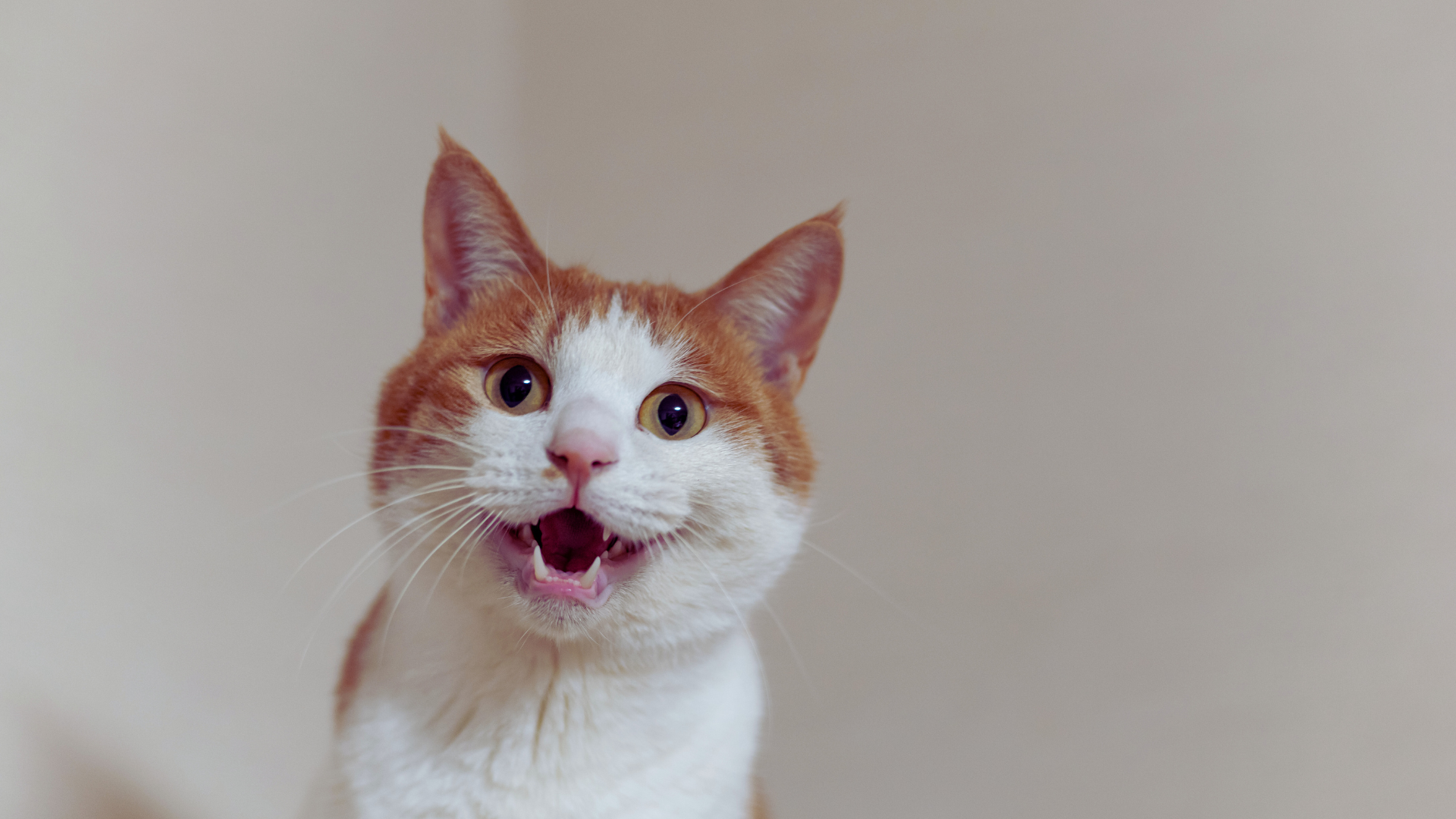
Cats are known for their independence and often enigmatic behavior, but stress can affect them just like it does in humans. Recognizing the signs of stress in cats is crucial for maintaining their health and well-being. Common symptoms include changes in appetite, excessive grooming, and withdrawal from social interactions, which can indicate that a cat is feeling overwhelmed or anxious.
Environmental changes, such as moving to a new home or the introduction of new pets, can trigger stress in cats. They may respond by exhibiting behaviors like hiding, increased vocalization, or even aggression. Understanding these signs helps cat owners take timely action to alleviate their pet’s stress and improve their quality of life.
Monitoring a cat’s behavior closely can provide valuable insights into their emotional state. By being aware of these stress symptoms, owners can create a more supportive environment, ensuring their feline companions remain healthy and happy.
Identifying Signs of Stress in Cats
Cats often display specific behaviors and symptoms when under stress. Recognizing these signs can help cat owners address issues promptly and provide a supportive environment.
Behavioral Changes
Changes in behavior are often the first indicators of stress in a cat. A normally friendly cat may start hiding more frequently, seeking shelter in dark or enclosed spaces. This behavior can signify withdrawal from its environment.
Aggressive tendencies can also emerge. A cat that typically enjoys interaction may suddenly swat or hiss when approached. These behavioral shifts may represent an attempt to establish boundaries due to stress.
Excessive grooming is another key sign. Cats may engage in overgrooming, leading to bald patches and skin irritation. Owners should monitor for these changes, as they can lead to further health issues.
Physical Symptoms
Physical symptoms often accompany behavioral changes. Diarrhea or constipation may arise as stress reduces a cat’s appetite or disrupts its digestive system. These symptoms can indicate a need for veterinary consultation.
Trembling is another concerning physical response. A cat may shake or tremble when stressed, reflecting its internal distress. It’s important to note that these symptoms can also overlap with medical conditions.
Additionally, excessive scratching can lead to skin damage and infections. Owners should be vigilant for signs of physical trauma, which may result from anxiety-driven behaviors.
Changes in Communication
Cats communicate stress through various vocalizations. Increased meowing or yowling can indicate discomfort or anxiety. A cat’s vocal patterns may become more frantic, signaling that something is not right.
Changes in body language are also important. A cat may exhibit flattened ears, dilated pupils, or a tucked tail. These signs demonstrate that a cat feels threatened or overwhelmed, necessitating attention from its owner.
Understanding these communication changes is crucial for timely support. Monitoring a cat’s behavior and physical condition allows owners to intervene effectively in cases of stress.
Understanding the Causes of Stress in Cats
Stress in cats can stem from various factors, including their environment and social interactions. Recognizing these elements is crucial for maintaining a cat’s well-being.
Environmental Factors
Environmental stressors play a significant role in a cat’s mental state. Common issues include inadequate environmental enrichment, which can lead to boredom and destructive behavior. Cats require stimulating surroundings with opportunities for play and exploration.
Factors such as changes in the home, new pets, or loud noises can also contribute to stress. Litter box issues, including unclean boxes or inappropriate locations, may create anxiety. Cats are sensitive to their surroundings, so ensuring a safe, quiet space is essential.
Additionally, a lack of vertical space or hiding spots can lead to feelings of vulnerability. Creating an enriching environment can alleviate these stresses.
Social and Behavioral Aspects
Social dynamics greatly influence a cat’s stress levels. Aggression toward other pets or humans can indicate underlying tension. Introducing new pets without proper acclimation can trigger fear and anxiety.
Cats are territorial animals. Changes in their social environment, such as the loss of a companion, can lead to significant stress responses. Observing the cat’s behavior is crucial; signs like hiding, excessive grooming, or changes in appetite can signal distress.
Consulting with an animal behaviorist may provide strategies for managing these issues. Understanding the cat’s unique personality and needs is vital for reducing stress and promoting a harmonious home.
Helping Your Cat Cope with Stress
Creating a supportive environment and implementing behavioral strategies can significantly reduce stress in cats. Focusing on these approaches may improve their overall well-being.
Creating a Calming Environment
A calm environment is crucial for a stressed cat. Begin by providing safe spaces where the cat can retreat. Cat trees and cozy hideaways give them a sense of security.
Environmental enrichment is essential. Incorporate engaging toys, scratching posts, and interactive playtime to keep the cat stimulated mentally and physically.
Ensure the living space is quiet. Limit loud noises and sudden disturbances that could increase anxiety. Soft lighting and calming scents, like pheromone diffusers, can further enhance the atmosphere.
Maintaining a consistent routine concerning feeding and playtime helps the cat feel secure. Changes in routine may lead to further stress. Aim to provide regular meals and dedicated playtimes to establish predictability.
Behavioral Interventions
Behavioral strategies are effective in helping a stressed cat. Identifying triggers is vital. Observing patterns related to changes in appetite or behavior can guide intervention strategies.
Gradual desensitization can reduce fear responses. Introduce new experiences slowly, allowing the cat to adapt comfortably. For instance, if a cat is afraid of visitors, managed exposure may help them adjust.
Engaging with a certified animal behaviorist can yield tailored strategies. These professionals can provide insight into specific behavioral challenges and recommend approaches tailored to the cat’s needs.
Positive reinforcement encourages healthy behavior. Rewarding the cat with treats or affection during calm moments fosters a positive association with potentially stressful situations, contributing to long-term stability.