
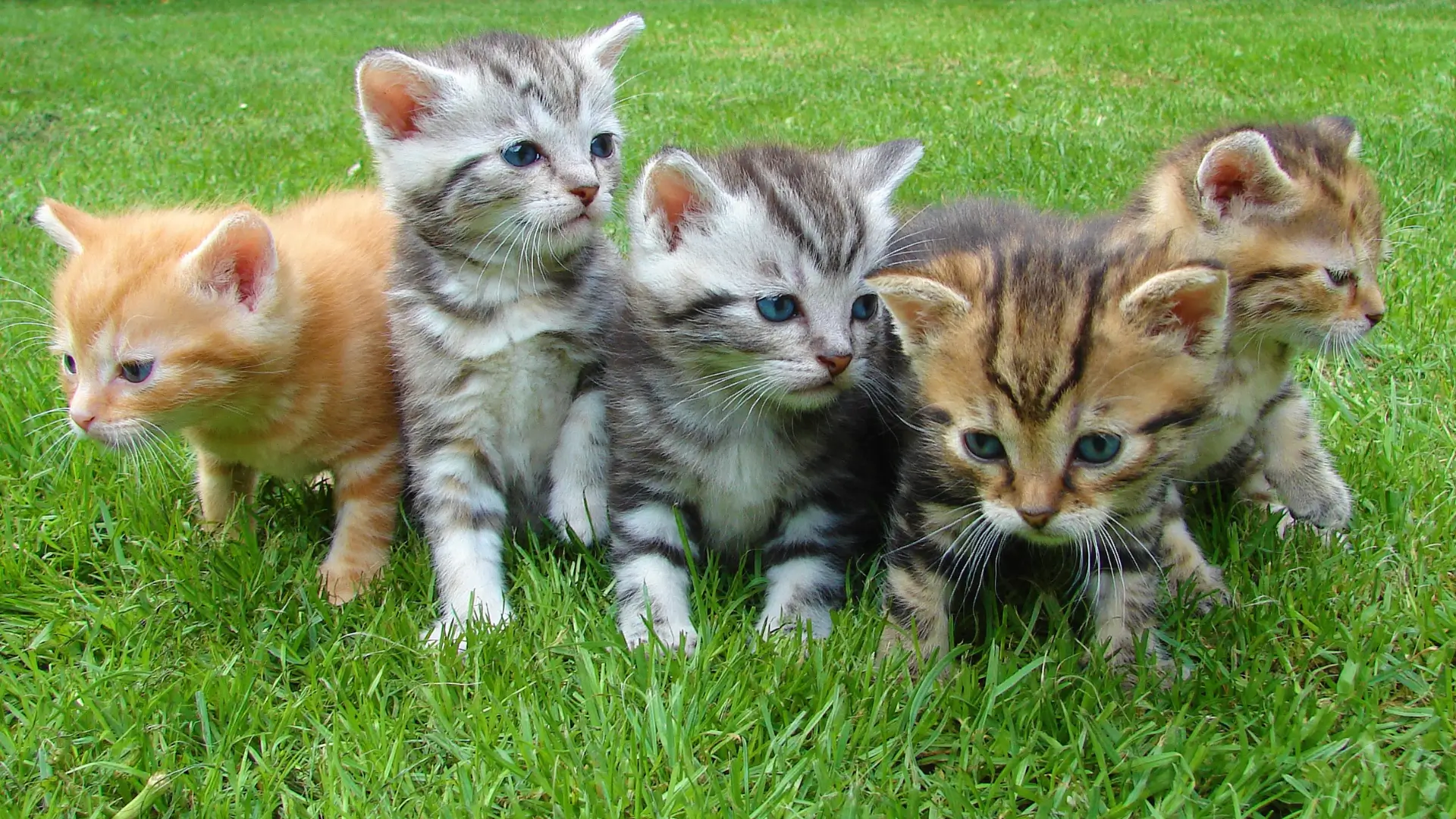
Cats have fascinated humans for thousands of years. Sleek, agile, independent, and often mysterious, these animals have become cherished companions and global cultural icons. Whether they’re curled up on a windowsill, chasing a toy mouse, or starring in viral internet videos, cats have a way of capturing our attention—and our hearts.
A Long History of Companionship
The history of cats and humans stretches back nearly 9,000 years. Archaeological evidence suggests that wild cats were first domesticated in the Near East, particularly in areas of present-day Turkey and Cyprus. Early agricultural societies likely welcomed cats into their communities for their natural rodent-hunting abilities. As humans began storing grain, they unintentionally attracted mice and rats, and cats became a practical solution.
This mutually beneficial relationship gradually evolved into something deeper. In ancient Egypt, cats were revered and even worshipped. The Egyptian goddess Bastet—depicted as a lioness or as a woman with a cat’s head—symbolized home, fertility, and protection. Killing a cat, even accidentally, was considered a grave offense in some Egyptian periods.
Cats later spread to Europe, Asia, and eventually the Americas, accompanying merchants and sailors on long voyages. Their ability to keep ships free of pests made them indispensable travelers—and by the time of the Middle Ages, cats were a common sight in villages and homes across the world.
Personality and Behavior
One of the most intriguing aspects of cats is their unique personality. While some people consider them aloof or independent compared to dogs, those who live with cats know this isn’t entirely accurate. Cats form close bonds with their humans, often seeking out affection, attention, and even conversation in their own quiet way.
Each cat is different—some are bold and adventurous, others shy and reserved. Some are playful and energetic, while others prefer long naps in sunny spots. Understanding a cat’s body language is key to a successful relationship. For example:
- A cat that kneads with its paws is showing comfort and contentment.
- A slow blink is a sign of trust and affection.
- A tail that twitches rapidly might indicate irritation or excitement.
Cats are also incredibly smart. They can recognize their names, follow routines, learn tricks, and even understand simple words and commands—though whether they choose to respond is another matter entirely!
Health and Daily Care
Cats are often praised for being low-maintenance pets, but they still require proper care to stay happy and healthy. A balanced diet, clean water, regular veterinary checkups, and vaccinations are essential.
Most indoor cats live significantly longer than their outdoor counterparts. Outdoor cats face risks like accidents, fights with other animals, and exposure to disease. However, indoor cats need mental stimulation to stay healthy. Providing toys, climbing structures, scratching posts, and interactive playtime can help meet their physical and emotional needs.
Grooming needs vary by breed. Short-haired cats usually groom themselves effectively, but long-haired cats, such as Persians or Maine Coons, may require regular brushing to prevent matting and hairballs.
It’s also important to spay or neuter the cat. Not only does this help control the pet population, but it can also reduce behavioral problems and lower the risk of certain health issues.
Environmental Safety
In addition to meeting a cat’s daily care needs, it is also important for owners to ensure that the home environment remains safe and hygienic. Even indoor cats can face hidden risks when pests enter their homes.
Rodents, for example, may carry bacteria, parasites, and diseases that can endanger both pets and humans. Although some cats may attempt to chase or hunt these intruders, relying on them for pest control is neither safe nor effective and can even expose them to injuries or infections.
Therefore, when signs of rodents appear, searching online for “rodent exterminator near me” can help homeowners find a professional who can address the issue properly. Ultimately, effective pest control not only protects the household but also supports a healthy and secure environment for the pet.
Electrical safety is another important consideration in a cat-friendly home. Curious felines may chew on loose wires, bat at dangling cords, or squeeze into tight spaces where electrical equipment is stored.
These hazards could lead to shocks, burns, or even fire risks. Hence, securing cables, using cord protectors, and ensuring that outlets and appliances are properly maintained can significantly reduce danger.
Cats in Popular Culture
Cats are more than just pets—they’re pop culture icons. From ancient myths and literature to modern movies and memes, felines have left their paw prints all over human creativity.
In literature, cats have appeared in countless stories and poems, often portrayed as wise, mysterious, or mischievous. Think of the Cheshire Cat in Alice in Wonderland or the magical Mr. Mistoffelees in T.S. Eliot’s Old Possum’s Book of Practical Cats.
In cinema and television, cats have played starring roles in everything from animated films like The Aristocats and Puss in Boots to the comical misadventures of Garfield.
And, of course, the internet has practically been taken over by cats. From the grumpy expressions of “Grumpy Cat” to the hilarious antics of cats knocking objects off tables, our love of feline content online is nearly universal. YouTube, Instagram, and TikTok are filled with millions of cat videos, showing off their unpredictable behavior and strange charm.
Why We Love Cats
There’s something calming and therapeutic about being around cats. Studies have shown that petting a cat can lower stress levels and blood pressure. The sound of a cat purring can be soothing, even healing—some research suggests it may promote tissue regeneration and reduce inflammation.
Cats also bring a sense of companionship without being overly demanding. They offer affection on their own terms, which many people find rewarding. Their quirks—like chasing shadows, hiding in boxes, or meowing at seemingly nothing—make them endlessly entertaining.
They teach us patience, empathy, and respect for boundaries. In a fast-paced, noisy world, a cat’s calm presence can be a grounding force.
Final Thoughts
Cats are much more than mysterious housemates—they’re companions, entertainers, hunters, and healers. Whether they’re leaping after a feather toy, purring softly beside you, or simply watching the world from a windowsill, they bring beauty, grace, and a touch of mischief into our lives.
It’s no wonder that cats have remained by our sides through centuries of change. They’ve earned their place not only in our homes but in our hearts—and they’re here to stay.