
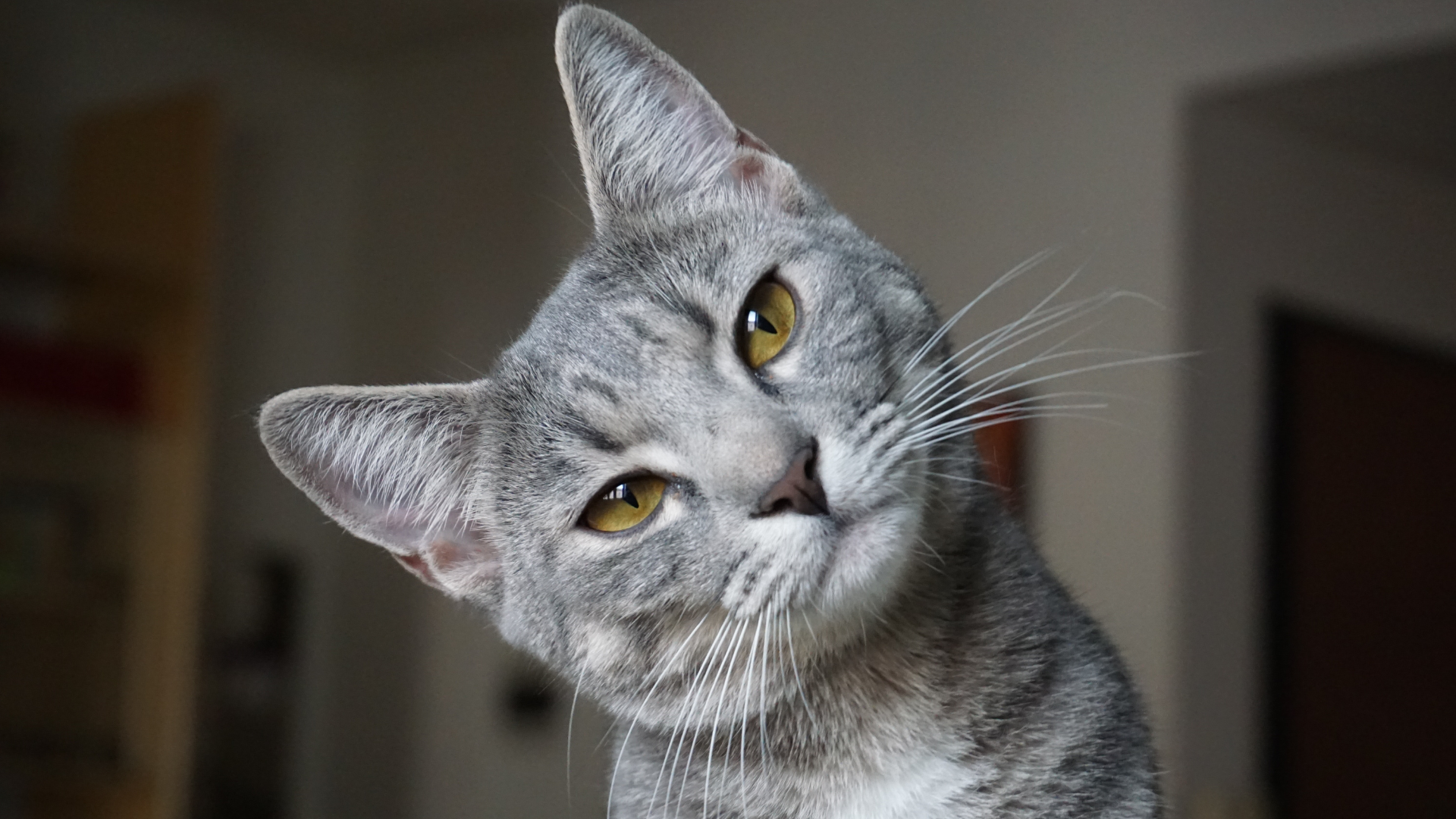
Cats often display behaviors that puzzle their owners, from sudden zoomies to kneading soft surfaces. Understanding these actions helps decode what a cat is communicating or experiencing at the moment. Many common cat behaviors are instinctual and serve practical purposes, such as marking territory, showing affection, or relieving stress.
For example, a cat’s purring can signal contentment or self-soothing during discomfort. Similarly, scratching isn’t just about sharpening claws but also about marking territory with scent glands in their paws. These behaviours are natural and offer insights into a cat’s needs and emotions.
Knowing why cats behave the way they do can strengthen the bond with them and make caregiving more effective. Recognizing the meaning behind typical actions enables owners to respond appropriately and improve the cat’s well-being.
Essential Cat Behaviors and Their Meanings
Cats use a variety of behaviors to express emotions and communicate. From sounds to movements, each action holds specific meanings that help owners understand their feline companions better.
Purring: Signs of Contentment and Distress
Purring is commonly linked to pleasure, often happening when cats are calm or enjoying attention. However, cats also purr when they are in pain, anxious, or stressed, using the sound as a self-soothing mechanism.
The vibration frequency of purring can promote healing and reduce pain. Owners should consider context—if a cat purrs during illness or discomfort, it may signal distress rather than happiness. Observing body language helps interpret purring accurately.
Kneading: Comfort and Instinct
Kneading involves a cat pressing its paws rhythmically against a soft surface, often a blanket or person. This behavior originates from kittenhood when kittens knead their mother’s belly to stimulate milk flow.
Adult cats knead to mark territory, as their paw pads release scent glands. It also signals comfort and relaxation. Kneading may be followed by purring or nuzzling, which reinforces a sense of security.
Meowing: Communication With Humans
Cats primarily meow to communicate with humans, not other cats. The tone, pitch, and frequency carry different messages, such as hunger, greeting, annoyance, or requests for attention.
Some cats develop unique meow patterns to interact specifically with their owners. Understanding these vocal cues can improve the human-cat relationship. Repeated or loud meowing usually indicates a clear need or discomfort.
Nighttime Zoomies and High-Energy Play
Nighttime zoomies, sudden bursts of energy in cats, often occur after long rest periods. Cats are crepuscular by nature, most active at dawn and dusk, which explains these energetic episodes.
This behavior helps cats release pent-up energy and satisfy hunting instincts. Providing toys and play sessions during the day can reduce nighttime activity, making it less disruptive for owners.
Understanding Your Cat’s Communication
Cats use multiple signals to express their emotions and intentions. Recognizing these cues can improve interactions and strengthen the bond with a feline friend.
Body Language: Tails, Ears, and Eyes
The tail is a key indicator of mood. A straight-up tail usually means a cat is confident and happy, while a tucked tail signals fear or submission. Rapid tail flicks often show irritation.
Ears reveal attention and feelings. Forward ears indicate curiosity or interest. Flattened ears suggest fear, anger, or discomfort. Sideways or swiveling ears may mean the cat is alert to sounds.
Eye behavior also communicates mood. Slow blinking is a sign of trust or affection. Dilated pupils can indicate excitement or fear, whereas constricted pupils often suggest aggression or focus.
Chattering and Hunting Instincts
Chattering is a unique vocalization cats make, often when sighting birds or small prey through windows. It combines rapid jaw movements with short, staccato sounds.
This behavior is thought to express frustration or excitement linked to hunting instincts. It may also help the cat prepare mentally for a potential pounce.
Chattering highlights natural predatory drives, even in indoor cats. Recognizing it as a hunting-related behavior helps owners understand their cat’s needs and instincts better.
Head Bunting and Affection
Head bunting involves a cat pressing its head against a person or object. This marks territory with scent glands located on their face.
It is a strong sign of trust and affection, showing that the feline friend feels comfortable and connected. Cats often use this gesture to greet or bond with their owners.
Regular head bunting supports a positive relationship and can encourage social interaction. It indicates the cat’s willingness to engage and share its space.
Behavioral Quirks and Environmental Interactions
Cats display specific behaviors that help them feel secure and communicate within their environment. These natural instincts often explain why they choose certain spots, mark territories, or observe from height.
Sitting in Small Spaces and Hiding
Cats often choose small spaces to sit or hide because these spots provide a sense of safety and comfort. Tight areas, like boxes or under furniture, create a secure environment by limiting exposure from multiple sides.
Hiding also helps cats manage stress. When faced with unfamiliar people, loud noises, or new surroundings, retreating to a confined space helps them cope. This behavior is an evolutionary survival tactic to avoid predators.
Offering cats access to small boxes or enclosed beds can reduce anxiety and promote well-being. It’s a simple way to respect their need for safe retreats in a home setting.
Scratching and Scent Marking
Scratching is a natural behavior that serves both physical and social purposes for cats. It helps maintain claw health by removing damaged outer layers and stretching muscles.
Cats also scratch surfaces to leave scent marks. They have scent glands in their paws, and scratching deposits pheromones that communicate territory boundaries or ownership to other cats.
Providing scratching posts or pads made from materials like sisal or cardboard satisfies this instinct. Without appropriate outlets, cats may damage furniture or other household items.
Following and Watching From High Perches
Cats often follow their owners or watch from elevated areas because these behaviors satisfy curiosity and a need for observation. High perches give cats a vantage point to monitor their surroundings safely.
This behavior relates to their hunting instincts. From a height, cats can spot potential prey or threats without exposing themselves.
Owners can support this by providing climbing structures or shelves. Doing so helps cats stay engaged and reduces stress by fulfilling their natural desire to observe from above.