
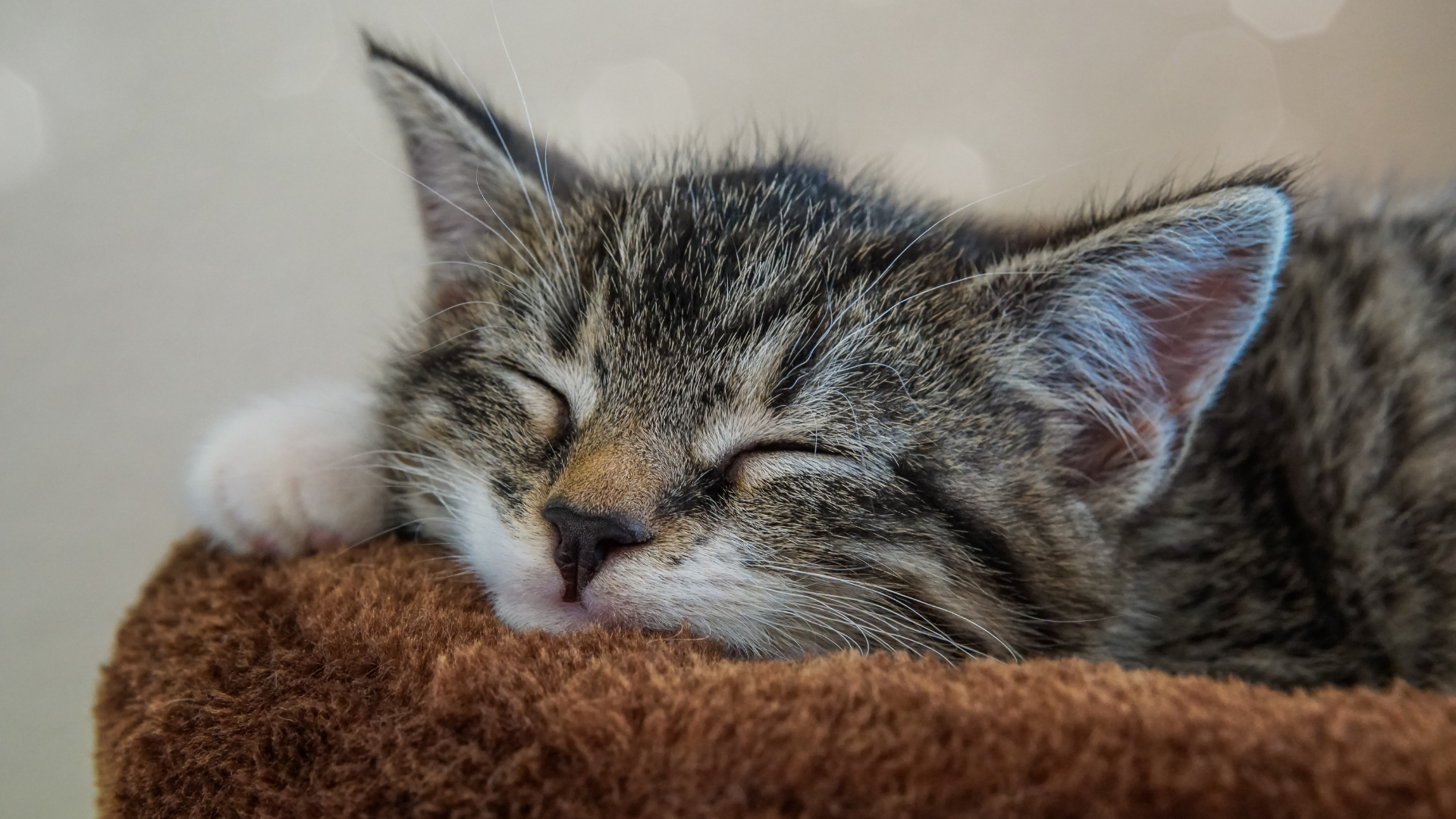
Cats often hide signs of illness, making it challenging for owners to detect problems early. Recognizing subtle changes in behavior, appetite, and grooming habits can be key indicators that a cat may be unwell.
By paying close attention to these early warning signs, pet owners can seek veterinary care promptly and improve their cat’s chances of recovery. This article outlines practical ways to identify illness before it becomes severe.
Understanding Why Cats Hide Illness
Cats naturally conceal signs of sickness, making early detection challenging. Their behavior and instincts play a key role, and subtle changes in routine or appearance often provide the first clues.
Evolutionary Instincts and Natural Behaviors
Cats evolved as both predators and prey. Showing weakness could make them targets for other animals. Because of this, cats instinctively hide pain or illness to avoid appearing vulnerable.
This behavior remains even in domestic cats. They may isolate themselves or reduce activity rather than show clear signs of being unwell. Owners must recognize that normal behavior may mask serious health issues.
Cats often maintain grooming habits and eating patterns longer than expected when sick. This instinct can delay obvious symptoms, requiring careful observation to catch early signs of illness.
Importance of Early Detection
Early identification of illness improves treatment success and reduces complications. Since cats hide symptoms, owners need to act on subtle indicators without waiting for obvious signs like vomiting or lethargy.
Veterinarians emphasize frequent monitoring of behavior, appetite, and litter box use. Prompt veterinary visits after noting small changes can prevent illnesses from worsening.
Ignoring minor signs increases the risk of chronic conditions developing undetected. Understanding why cats hide illness encourages vigilance and timely health checks.
Subtle Changes to Monitor
Key subtle signs include:
- Reduced grooming or an unkempt coat
- Slight decreases in appetite or water intake
- Changes in resting posture or hiding more than usual
- Mild shifts in social interaction or vocalization patterns
Tracking these behaviors daily helps detect illness early. Using a checklist or diary can assist owners in noticing changes they might otherwise overlook.
Physical signs like small weight loss or mild dehydration may also appear before a major illness becomes visible. Recognizing these early helps initiate timely veterinary care.
Common Early Signs of Illness in Cats
Early signs of illness in cats often involve noticeable changes in daily habits and physical conditions. Detecting these subtle shifts helps prevent worsening health issues through timely veterinary care.
Changes in Appetite or Thirst
A sudden increase or decrease in a cat’s appetite can indicate several health problems. Loss of appetite often signals dental pain, gastrointestinal issues, or infections. Conversely, an increased appetite paired with weight loss may be a sign of diabetes or hyperthyroidism.
Changes in water intake are also important. Excessive drinking and urination can suggest kidney disease or diabetes. Reduced thirst might occur in cases of dehydration or certain illnesses affecting the brain or mouth.
Owners should monitor daily food and water consumption closely. Any sustained deviation from normal patterns lasting more than 24-48 hours warrants veterinary evaluation.
Weight Fluctuations
Unexpected weight loss is one of the clearest signs that a cat might be sick. It can stem from chronic conditions like cancer, kidney disease, or hyperthyroidism. Loss of muscle mass, not just fat, is particularly concerning.
Weight gain, while less common, might indicate hypothyroidism or fluid retention due to heart or kidney problems. Overfeeding or reduced activity can also contribute to unhealthy weight gain.
Regular weighing, ideally monthly, helps track these changes. Sudden or continuous weight changes should prompt a professional health check.
Altered Litter Box Habits
Changes in litter box behavior are strong indicators of health issues. Cats may urinate outside the box due to urinary tract infections, bladder stones, or arthritis, making movement painful.
Straining, frequent trips to the litter box, or very small amounts of urine can signal urinary blockages or infections. Diarrhea or constipation, noticed through litter box output, also indicates gastrointestinal problems.
Closely observing frequency, volume, and consistency of elimination is crucial. Behavioral deviations from normal litter box habits often reflect underlying illness requiring medical attention.
Behavioral Changes
Behavioral changes can be among the earliest signs of sickness in cats, often manifesting subtly. Lethargy or withdrawal from interaction may indicate pain, fever, or systemic illness.
Increased irritability, vocalization, or hiding might reflect discomfort or distress. Some cats may show aggressive behavior if illness causes confusion or sensory changes.
A decrease in grooming often correlates with skin disease, dental pain, or mobility problems. Owners should note any marked change in activity levels or personality as potential signs of illness.
Physical and Behavioral Symptoms to Watch For
Early signs of illness in cats often appear in subtle changes to their grooming habits, energy levels, breathing, and discharges from the eyes or nose. Observing these specifics can help identify potential health issues before they worsen.
Grooming and Coat Appearance
Cats normally maintain clean, smooth fur through regular grooming. A noticeable decline in grooming, such as a dull, greasy, or matted coat, can signal discomfort, pain, or illness. Excessive licking or bald patches may indicate skin problems, parasites, or allergies.
Poor grooming may also reflect dental pain or internal health issues. Owners should watch for clumps of hair loss, flaky skin, or wounds that don’t heal. Changes in coat texture or cleanliness are common signs of underlying health problems in cats.
Changes in Energy Levels
A marked decrease in activity or sudden lethargy is are critical sign of illness. Cats that usually play and explore but become withdrawn or sleep more than usual may be unwell. Conversely, restlessness or hyperactivity can also indicate pain or stress.
Energy changes can result from infections, chronic diseases, or pain. Monitoring for reluctance to jump, climb, or move is important. Any sudden or persistent shift in energy patterns should prompt veterinary attention.
Respiratory and Breathing Issues
Labored, rapid, or irregular breathing signals respiratory distress in cats. Signs include open-mouth breathing, wheezing, coughing, or frequent sneezing. These symptoms may relate to infections, asthma, heart disease, or allergies.
Observe for nasal flaring or visible effort to breathe. Pale or blue gums combined with breathing difficulty require emergency care. Persistent respiratory symptoms point to possible serious illness and should not be ignored.
Eye and Nose Discharge
Discharge from the eyes or nose often signals infection or irritation. Clear discharge may indicate allergies, while thick, yellow, green, or bloody secretion usually suggests bacterial or viral illness. Red or swollen eyes often accompany these symptoms.
Cats with watery or crusty eyes, sneezing, or nasal congestion may have upper respiratory infections. Eye cloudiness or changes in pupil size can also be signs of illness. Prompt diagnosis helps prevent worsening of these symptoms.
When to Take Action and Seek Veterinary Care
Cats often hide illness until symptoms become severe, so watching their behavior closely is essential. Noticing changes early and knowing when to respond can prevent serious health issues.
Tracking Symptoms Over Time
Monitoring your cat’s symptoms consistently helps identify patterns that may indicate illness. For example, if a cat’s appetite decreases for more than 24-48 hours, it could signal a problem beyond temporary stress or environmental changes.
Document symptoms such as vomiting, diarrhea, coughing, or changes in litter box habits daily. Use a simple chart or app to note frequency, duration, and intensity. This information is valuable for veterinarians to diagnose and treat effectively.
Differentiating Between Mild and Severe Signs
Mild signs include brief sneezing, slight lethargy, or a single episode of vomiting. These may resolve without veterinary care but still require monitoring.
Severe signs demand immediate attention and include difficulty breathing, seizures, persistent vomiting, sudden weakness, or visible pain. If your cat becomes unresponsive or collapses, seek emergency care immediately.
When in doubt, err on the side of caution—cats can deteriorate quickly without visible symptoms of distress.
Understanding the Role of Regular Checkups
Regular veterinary exams help detect subtle health issues before signs appear at home. An annual or biannual checkup includes physical exams, dental checks, and blood work tailored to a cat’s age and risk factors.
Vaccinations and parasite control are also reviewed during visits, reducing illness risk. Regular visits build a medical history that supports quicker diagnosis when symptoms arise.
Preventive care is a critical part of maintaining your cat’s health, even if they appear well.